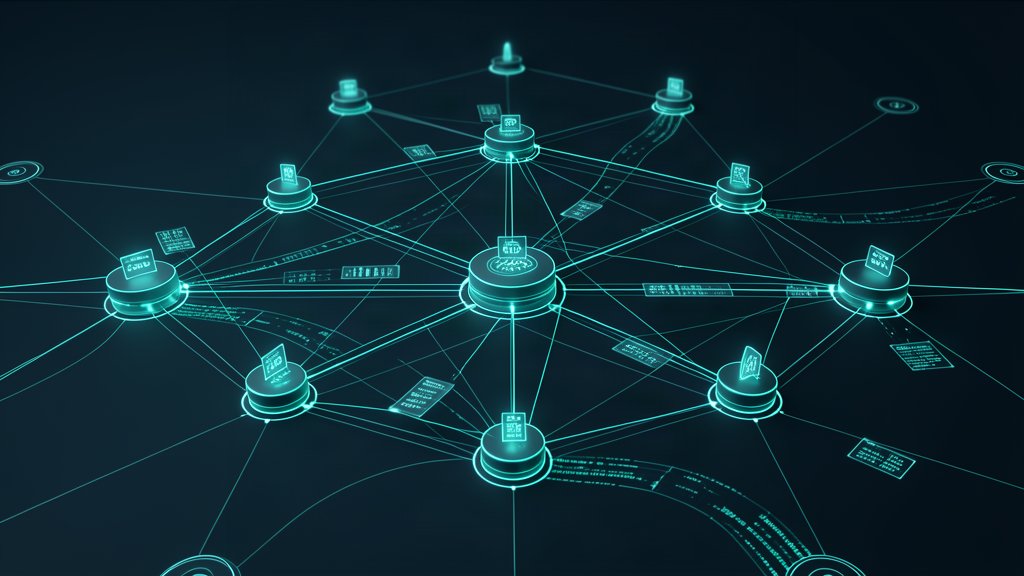
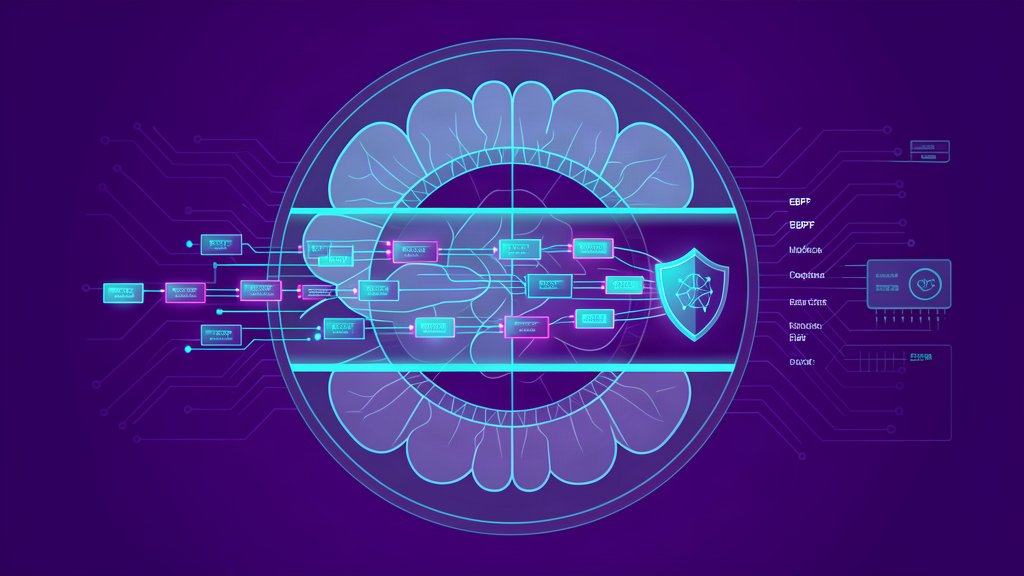
The ecosystem surrounding eBPF (extended Berkeley Packet Filter) has matured rapidly throughout 2026. Many engineers were introduced to the technology through powerful observability tools like Hubble or Pixie, but eBPF is now fundamentally shifting how we approach core Linux kernel operations.
Networking at the Edge
Cloud providers and edge networks like Cloudflare continue to push eBPF into the data path. By moving logic from user space into the XDP (Express Data Path) and TC (Traffic Control) layers, we can drop malicious traffic and perform load balancing at wire speed before it even reaches the kernel’s heavy networking stack. This is no longer just “nice to have” — it’s the standard for modern high-scale networking.
Hardening Container Isolation
Recent verifier improvements in the kernel have made eBPF a key player in security. By enforcing stricter policies directly within the kernel, we can effectively harden container isolation. eBPF programs can now monitor and block syscalls with granular precision, preventing malicious processes from breaking out of their namespaces.
Rethinking Kernel Scheduling
Perhaps the most exciting frontier for 2026 is eBPF in scheduling. Traditional kernel schedulers have historically been difficult to modify or tune. New eBPF hooks allow engineers to influence task scheduling decisions, enabling custom load-balancing strategies that are optimized for specific workloads — such as co-locating latency-sensitive tasks or prioritizing critical jobs on specific CPU cores.
eBPF has evolved from a simple packet filtering mechanism into a universal kernel-programming language. If you haven’t looked beyond observability, now is the time to start exploring its role in securing and optimizing your infrastructure.
Related areas
Related What I Do
These What I Do pages are matched from the subject matter of this article, creating a cleaner path from educational content to implementation work.
Continue reading
Related articles
Based on shared categories first, then the strongest overlap in tags.