
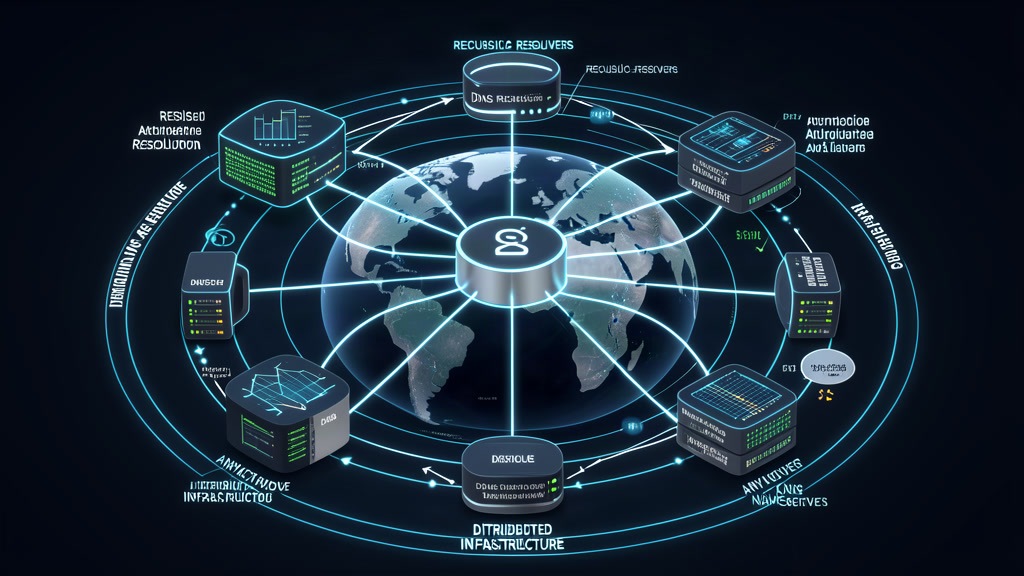
DNS Deep Dive: Modern Architecture and Performance
How modern DNS is architected — recursive vs authoritative, TTL caching, anycast and EDNS Client Subnet — plus DoT, DoH and DoQ, and what makes resolution fast.
Tag
5 matching blog articles with repeat coverage under this topic.
Tag wiki
Definition
Networking is a implementation topic referenced directly in these articles, usually as a concrete tool, platform, or implementation detail rather than a broad subject category.
Why it matters
Networking matters when it directly affects implementation choices, delivery constraints, or how a system behaves in production.
In this archive
In this archive Networking is treated as a specific topic worth calling out when it materially shapes the implementation, stack, or workflow being discussed. It currently appears in 5 articles and crosses 2 categories.
Nearest categories
Reference
Often appears with
How modern DNS is architected — recursive vs authoritative, TTL caching, anycast and EDNS Client Subnet — plus DoT, DoH and DoQ, and what makes resolution fast.
Service mesh adoption fell from 50% to 42%, and AWS is retiring App Mesh — yet Istio and Linkerd are simpler than ever. Use this 2026 decision framework to know when to adopt a mesh and when to skip it.

While eBPF is often synonymous with observability, its capabilities extend deeply into Linux kernel networking, security, and scheduling optimizations.
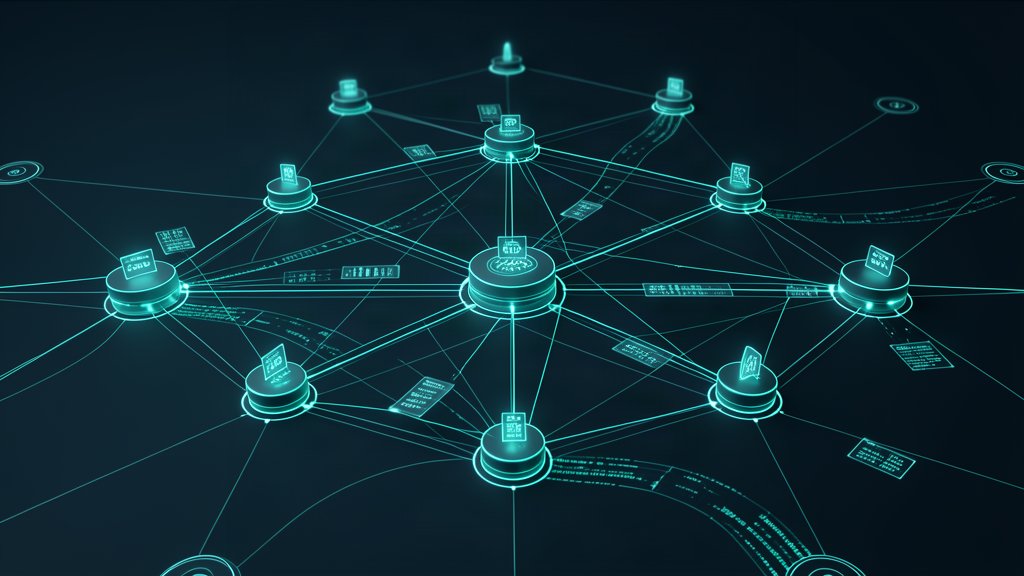
Cilium rewrites the service mesh rulebook by running the data plane in the Linux kernel with eBPF — no sidecar proxies per pod, lower latency, and simpler operations. How it works, where it falls short, and how it compares to Istio in 2026.

NVIDIA's Spectrum-6 Ethernet switch delivers 102.4 Tbps — doubling the previous generation — designed for 100K+ GPU clusters. Part of the Vera Rubin platform, it transforms networking from bottleneck to enabler for gigascale AI.