Magnolia is not the CMS I would reach for on every project. It is a Java-based platform aimed at organizations that already know content is going to flow across multiple channels, business units, systems, and governance layers.
That positioning matters. If your site is a small brochure build, Magnolia is likely too much platform. If your reality is multiple markets, approval workflows, internal systems, and several frontend surfaces, it becomes much more relevant.
Magnolia Is Built For More Than Page Editing
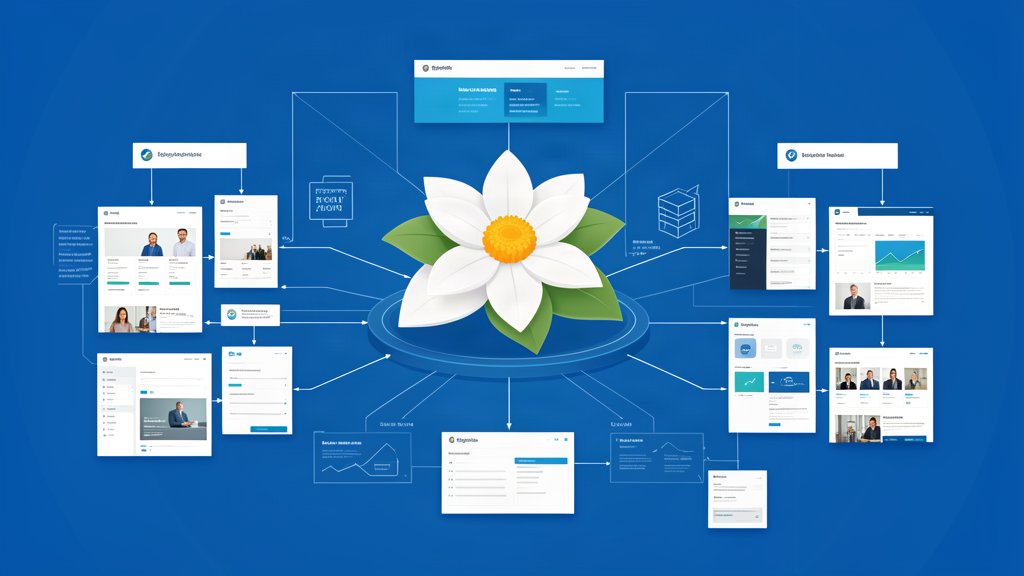
Magnolia positions itself as a digital experience platform, not only a page editor. Its public material emphasizes unified content management, headless delivery, integrations, AI-supported workflows, and enterprise reliability.
That tells you what kind of problem it is designed to solve: not just writing pages, but coordinating content, data, and delivery across a bigger digital estate.
Why Enterprise Teams Look At It
Magnolia’s headless material is unusually explicit about the tension that many enterprise teams hit: developers want flexible frontends, while marketing teams still need visual editing, previews, scheduling, and workflow control.
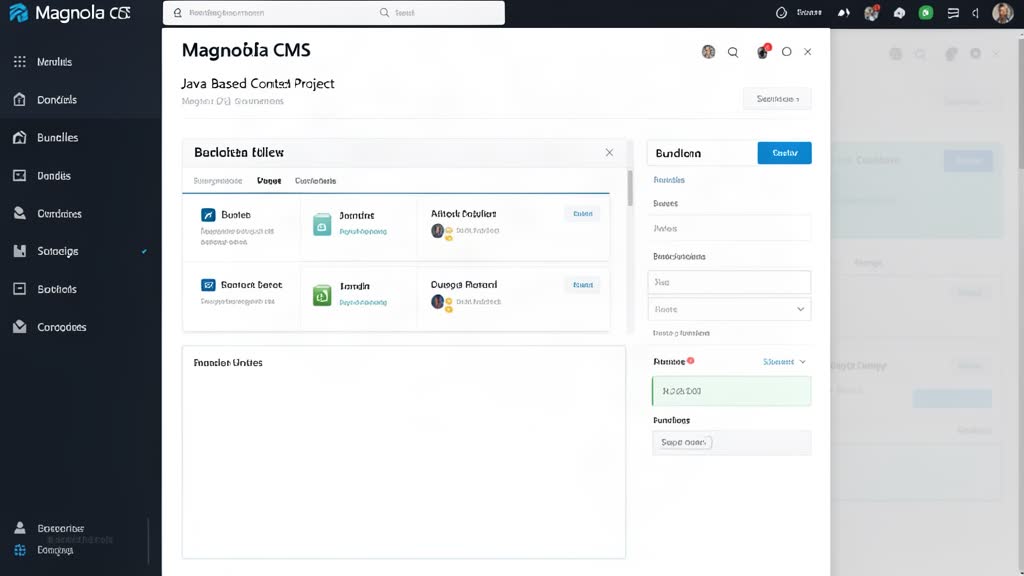
Magnolia tries to sit in the middle of that tension. It offers API-based delivery, content modeling, visual authoring tools, and workflow features in the same platform.
That matters when the organization is past the stage where a simple static CMS or a lightweight headless backend can handle editorial complexity on its own.
Where Magnolia Usually Fits Best
In practical terms, Magnolia is most relevant when you have at least some of these conditions:
- multiple brands, locales, or customer journeys,
- a need to reuse content across websites, portals, and apps,
- several external systems that need to be part of the publishing workflow,
- editor permissions, approval steps, and governance requirements,
- security or compliance expectations that rule out casual platform choices.
That is why Magnolia often appears in enterprise, commerce, and portal-oriented use cases instead of small content sites.
When It Is Too Much Platform
It is also worth saying the opposite clearly.
If a team mainly needs a fast marketing site, a blog, or a content-led site without complex approvals and integrations, Magnolia can add more operational surface area than value. A smaller CMS, or even a static content workflow, may be easier to run and easier to change.
The wrong way to choose Magnolia is to buy enterprise complexity before you have enterprise problems.
Bottom Line
Magnolia is a serious CMS choice for organizations with serious publishing constraints. It is strongest when content governance, integration depth, and cross-channel delivery matter more than keeping the stack minimal.
If your project has already outgrown simple page management, Magnolia belongs on the shortlist. If it has not, it is usually wiser to keep the platform lighter.
References: Magnolia Homepage, Magnolia Headless CMS.
Related areas
Related What I Do
These What I Do pages are matched from the subject matter of this article, creating a cleaner path from educational content to implementation work.
Continue reading
Related articles
Based on shared categories first, then the strongest overlap in tags.