
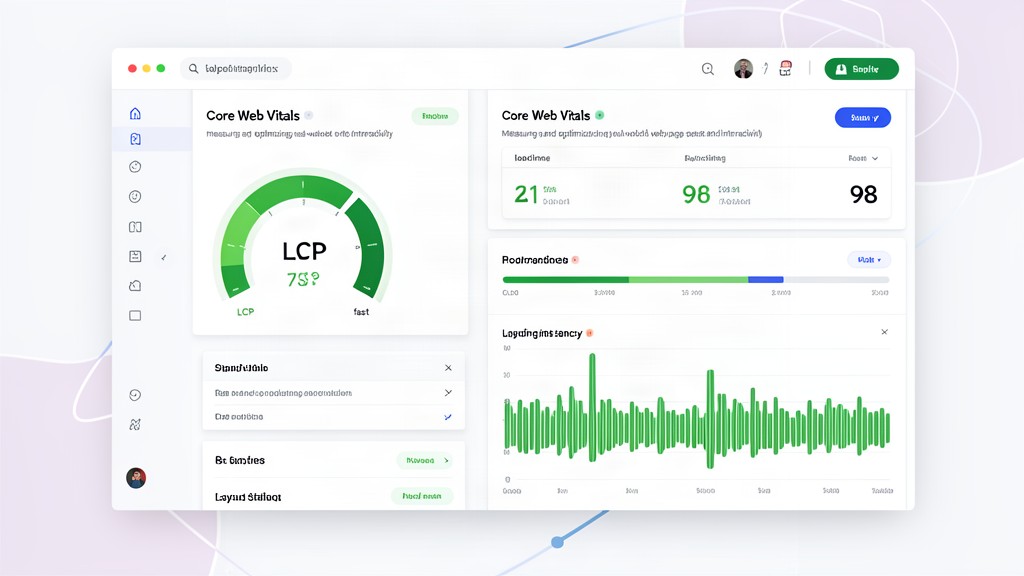
Core Web Vitals after INP: what to actually optimize in 2026
A practical 2026 Core Web Vitals guide covering the LCP, INP, and CLS failures that still cost real sites field performance, plus fixes you can measure.
Category
24 matching blog articles. Content on SEO, analytics, reporting, structured data, and growth decisions.
Category wiki
Definition
Marketing and SEO practices that connect technical work with discoverability.
What belongs here
Articles land in Marketing & SEO when the main subject is analytics, search visibility, social media, and conversion-focused content strategy..
How to read it
Treat this category as the broad lane first, then use tags to narrow that subject down to the concrete technologies, platforms, or patterns used inside it.
Common tags in this category
A practical 2026 Core Web Vitals guide covering the LCP, INP, and CLS failures that still cost real sites field performance, plus fixes you can measure.

AI search changed everything in 2025 and the shift is still accelerating. A breakdown of what changed, how search behaviour is evolving, and what content owners should do to stay visible.
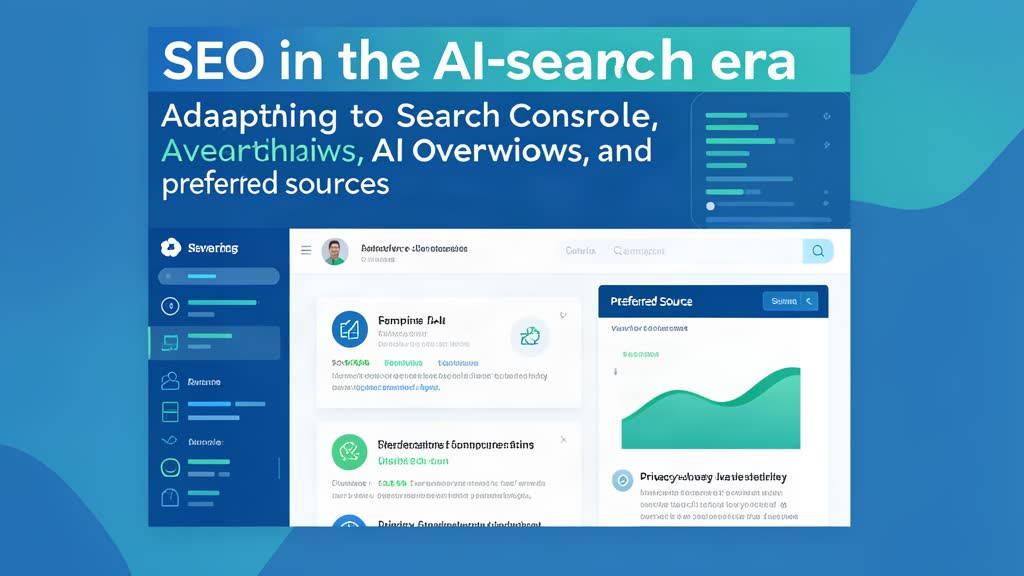
SEO now needs to account for AI surfaces, richer Search Console reporting, and the way summaries influence click behaviour.
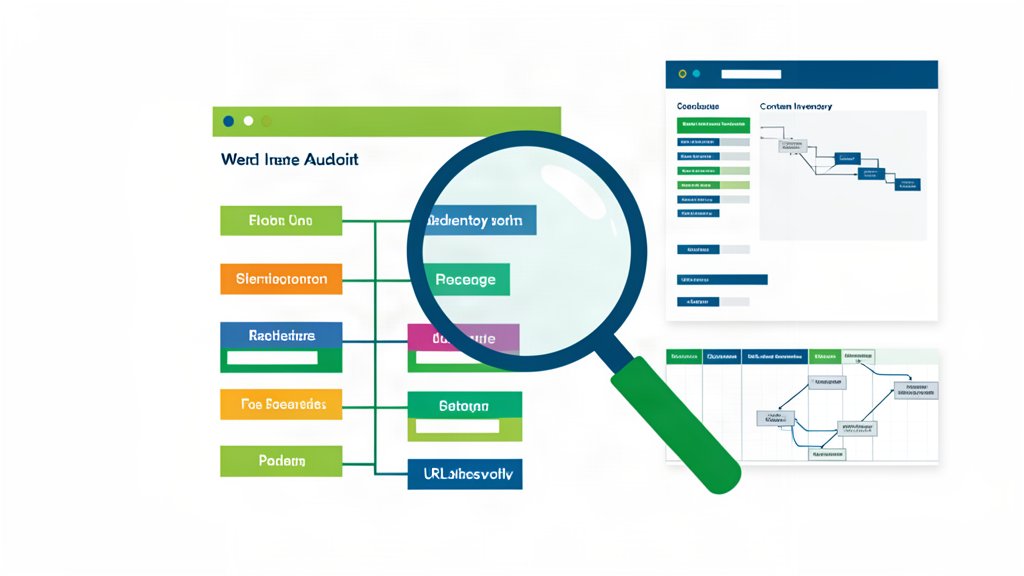
A content audit should identify page purpose, overlap, and URL logic before categories, directories, and internal links are reorganized.
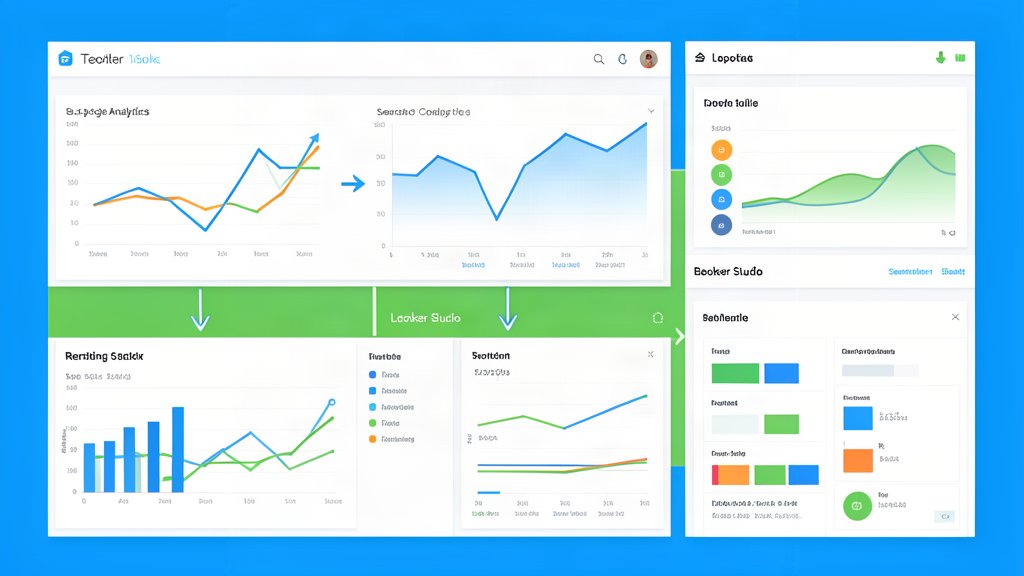
Monthly reporting becomes much easier when analytics, search visibility, and dashboards are designed to work together from the start.
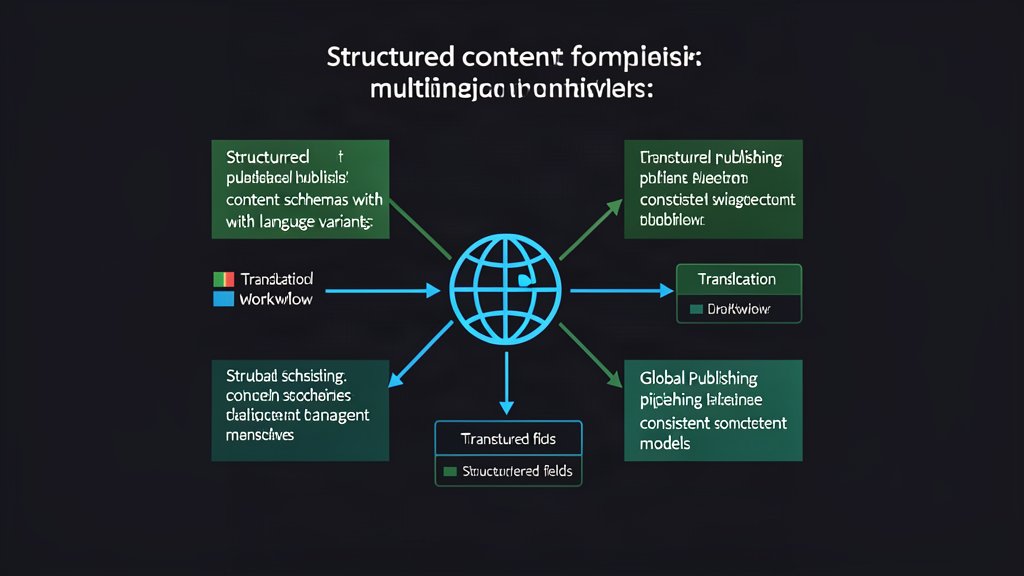
Multilingual publishing becomes easier when content is modeled as reusable fields instead of duplicated page layouts.

Website leads move faster when the form, CRM, and team notifications all follow one clear automation path.
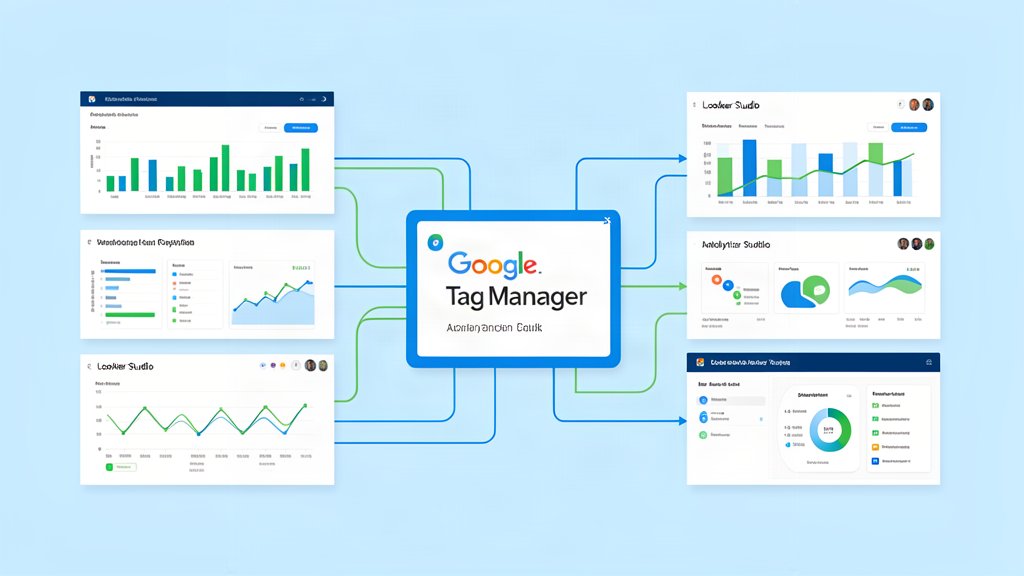
Google Tag Manager and Looker Studio work best as the center of a simple measurement system with clear reporting and naming rules.
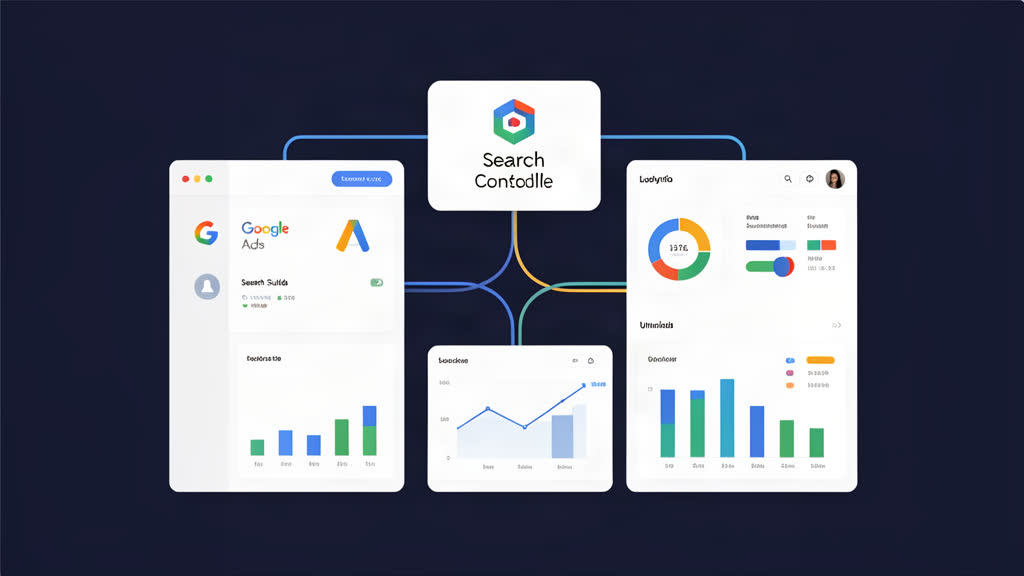
Google Ads, Search Console, and Looker Studio work best when they answer one question at a time instead of trying to cover everything at once.

Klaviyo, Brevo, and Customer.io each fit a different marketing flow, and the right choice depends on the customer journey.
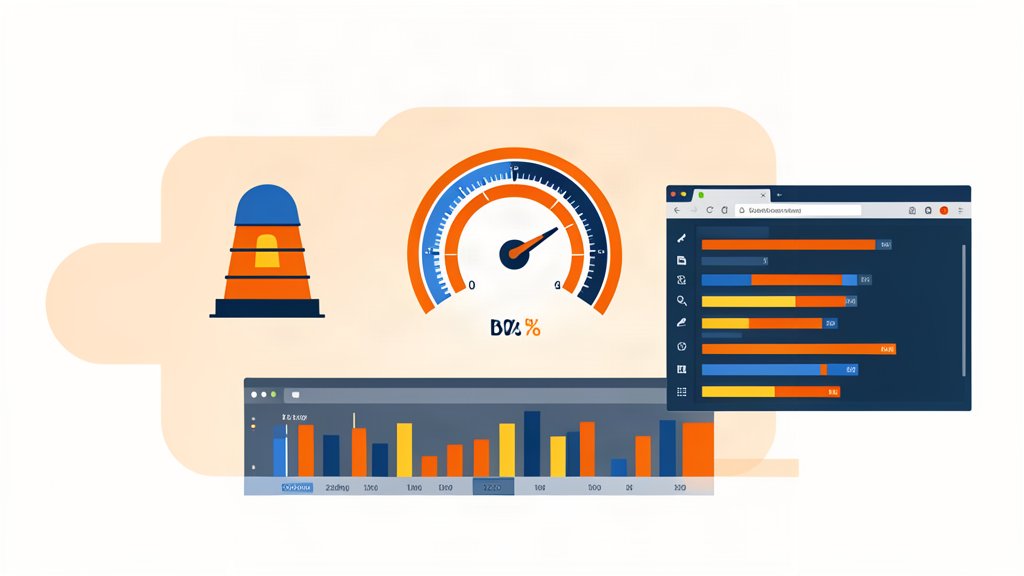
Lighthouse, WebPageTest, and Chrome DevTools work well together when the goal is to find the real bottlenecks behind a slow page.
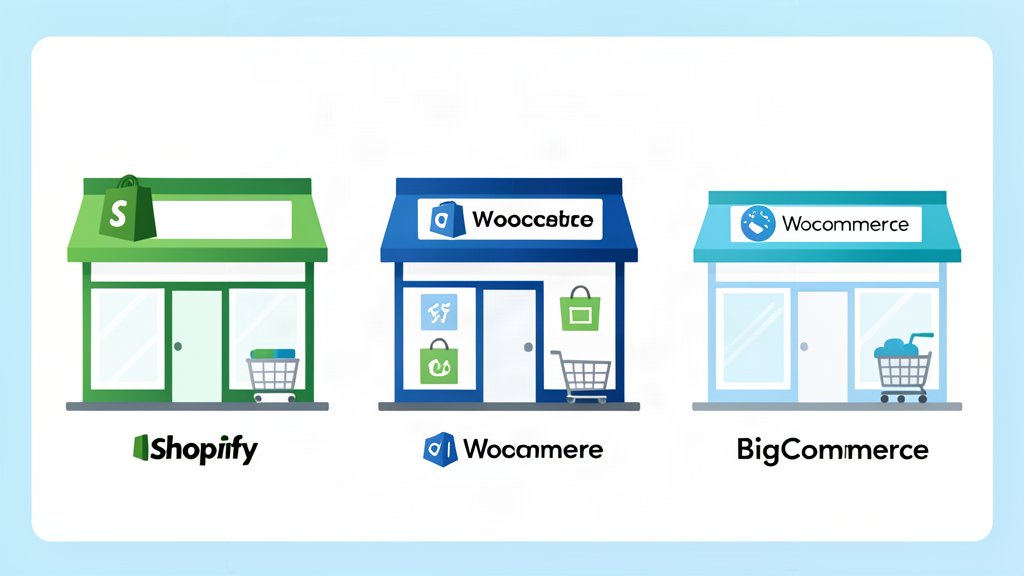
Shopify, WooCommerce, and BigCommerce each fit a different commerce model, so the right choice depends on control and operations.
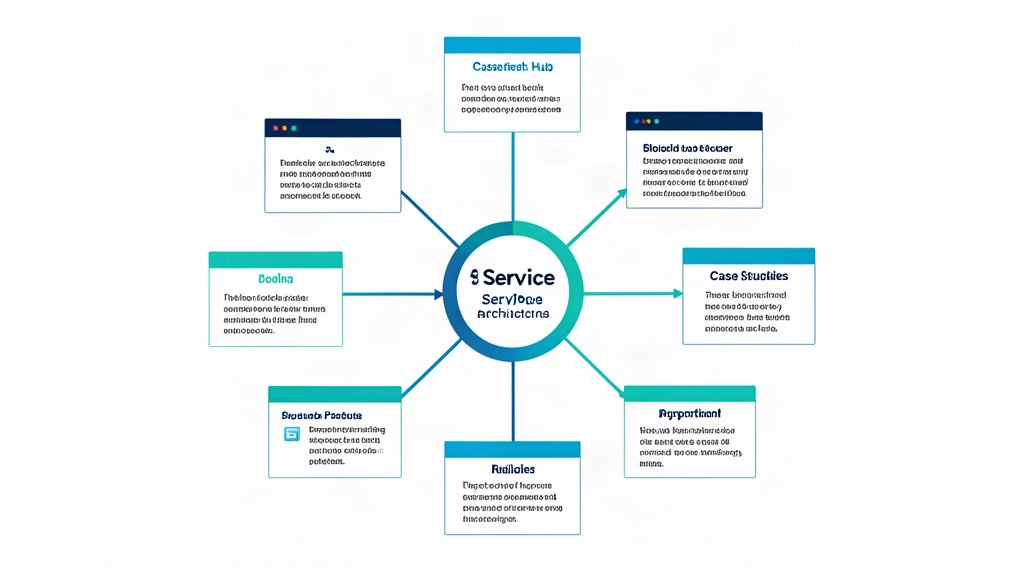
A good content hub groups related articles, service pages, and supporting pages so users and search engines can see how the topic fits together.

A service page should answer intent quickly, explain the offer clearly, and give search engines enough context to understand what the page is for.

AI search changes how people discover answers, but the winning strategy is still people-first content with real expertise, clear purpose, and useful detail.
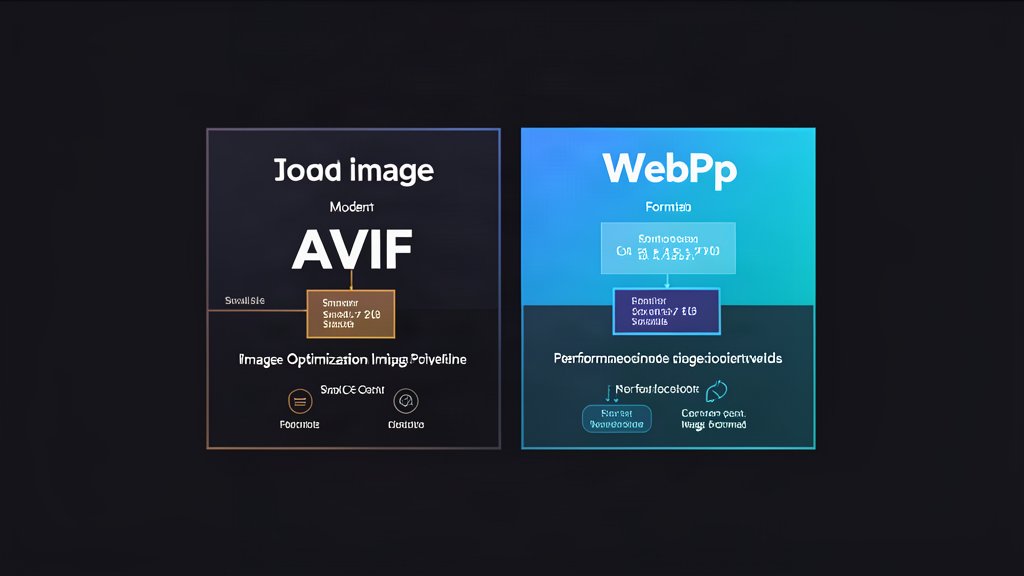
Modern websites should serve AVIF or WebP first for better performance, smaller files, and a better mobile experience.
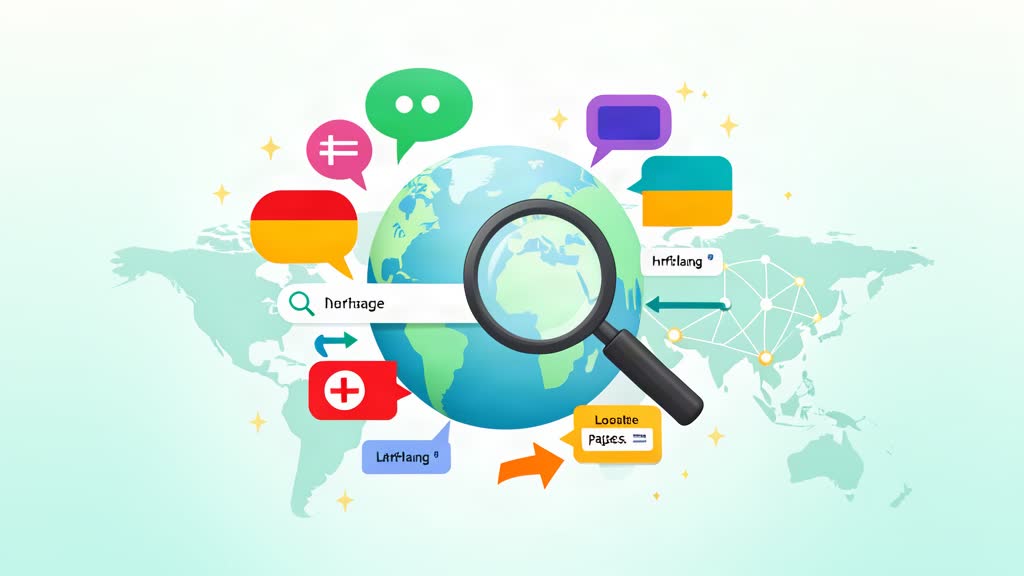
If your site targets multiple regions or languages, multilingual SEO helps search engines send the right audience to the right version of your content.
Understand what noopener, noreferrer, and nofollow do, when to use each one, and how they affect security, privacy, and SEO.

Take back control with Matomo - a powerful, secure, web analytics platform that gives you 100% data ownership and user privacy protection.

A business website has to do more than look credible. Visitors expect clarity, trust signals, useful information, and a path to action.

Social platforms can do more than build awareness. These four tactics help turn product discovery, engagement, and content into measurable online sales.

If social content gets attention but not inquiries, the issue may be content fit. Learn how to make posts more useful to potential customers.

Lead generation gets overcomplicated fast. This article breaks it down into three straightforward steps you can use to improve lead flow without extra jargon.
A large social audience does not automatically convert. These common mistakes weaken trust, blur offers, and make it harder for followers to buy.