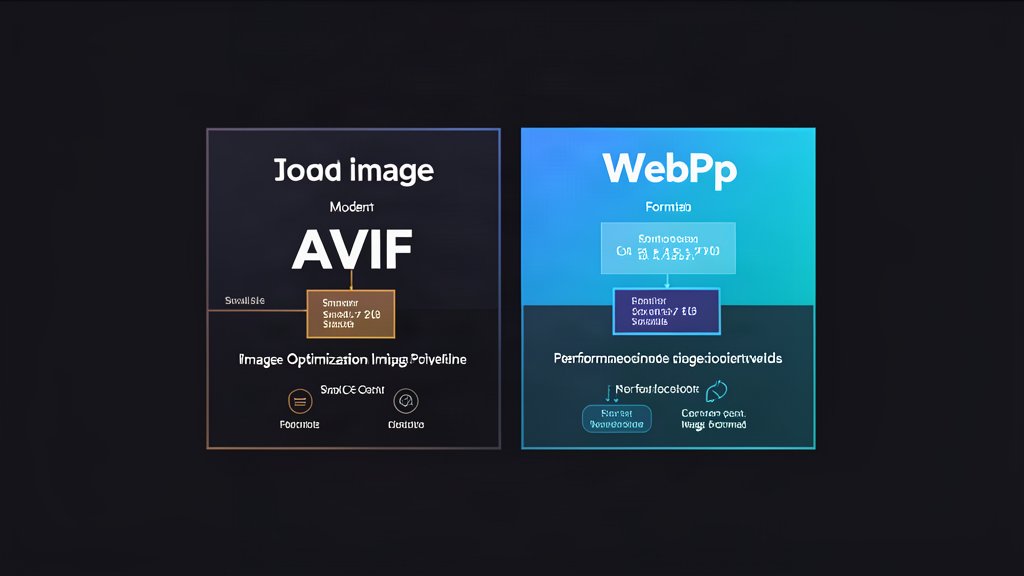
Modern websites do not need to deliver large JPEG and PNG files by default anymore. For most public-facing pages, AVIF and WebP are better choices because they reduce file size without a noticeable drop in quality.
That matters for performance, search visibility, and user experience. Smaller images usually mean faster page loads, lower bandwidth usage, and less pressure on the server.
Why The Format Matters
Image weight has a direct effect on how quickly a page becomes usable. If your homepage or landing page is full of heavy images, the browser has to spend more time and data before the visitor sees the content.
That is especially important on mobile connections. A good desktop page can still feel slow if the images are too large.
AVIF is usually the best compression option when you want the smallest file size. WebP is widely supported and still performs very well. JPEG and PNG are still useful as source files, but they should not always be your delivery format.
Use A Fallback Strategy
The safest way to serve modern image formats is with a picture element. That lets the browser choose the best format it supports.
<picture>
  <source srcset="/images/hero.avif" type="image/avif">
  <source srcset="/images/hero.webp" type="image/webp">
  <img
    src="/images/hero.jpg"
    alt="A preview of the product"
    width="1200"
    height="800"
    loading="lazy"
    decoding="async"
  >
</picture>
This approach gives you three advantages:
- Modern browsers get the smallest and fastest file.
- Older browsers still have a compatible fallback.
- You keep control over dimensions and layout stability.
Keep The Source File Separate
Do not replace your original image files with compressed delivery files. Keep the source asset, and generate the final formats from it.
That gives you room to update crops, sizes, or compression settings later without starting over.
If you manage a content-heavy site, build a small image workflow that exports at least these versions:
original.jpg
original.webp
original.avif
If the image is part of a responsive layout, create more than one size. A single 1600px image is often larger than needed on small screens.
Remember The Layout Cost
An optimized image still needs a stable layout. Always set width and height attributes, or reserve the space with CSS, so the page does not jump while the image loads.
That is one of the easiest ways to improve Core Web Vitals without changing the design.
If you want faster pages, lower hosting usage, and a better mobile experience, AVIF and WebP should be the default choice in 2026.
Related areas
Related What I Do
These What I Do pages are matched from the subject matter of this article, creating a cleaner path from educational content to implementation work.
Continue reading
Related articles
Based on shared categories first, then the strongest overlap in tags.