An analytics stack becomes useful when it stops being a pile of tools and starts behaving like one system.
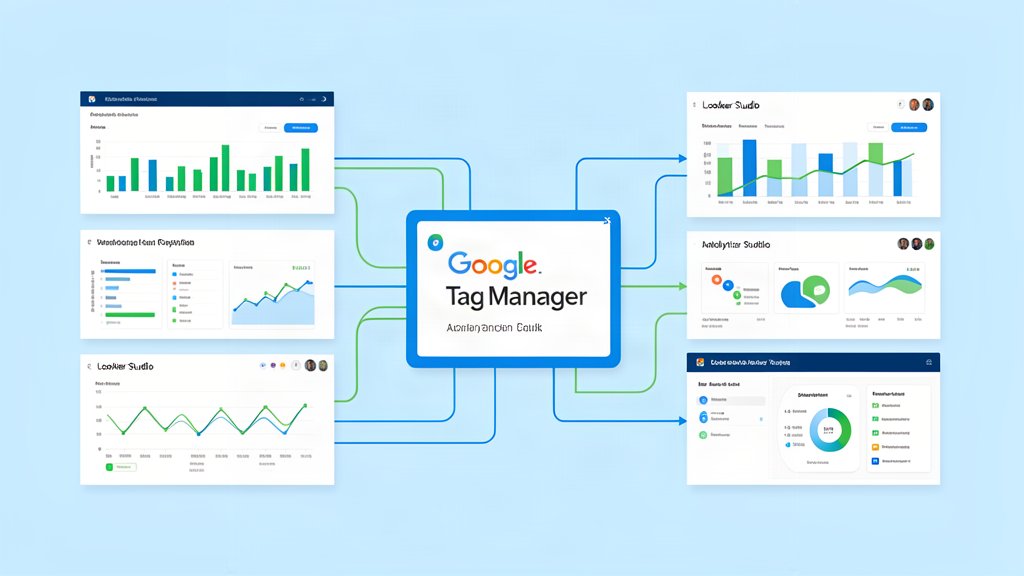
Google Tag Manager handles collection, Google Analytics gives the base view, Search Console adds search visibility, and Looker Studio turns the data into something people can actually read. That is enough for many sites if the events are planned properly.
Keep The Tracking Model Simple
Before adding tags, decide what the business wants to know.
- Which pages bring leads?
- Which calls to action are used?
- Which content helps visitors decide?
If the answers are clear, the event model usually stays manageable. That matters more than collecting every possible interaction.
Design The Dashboard Around Decisions
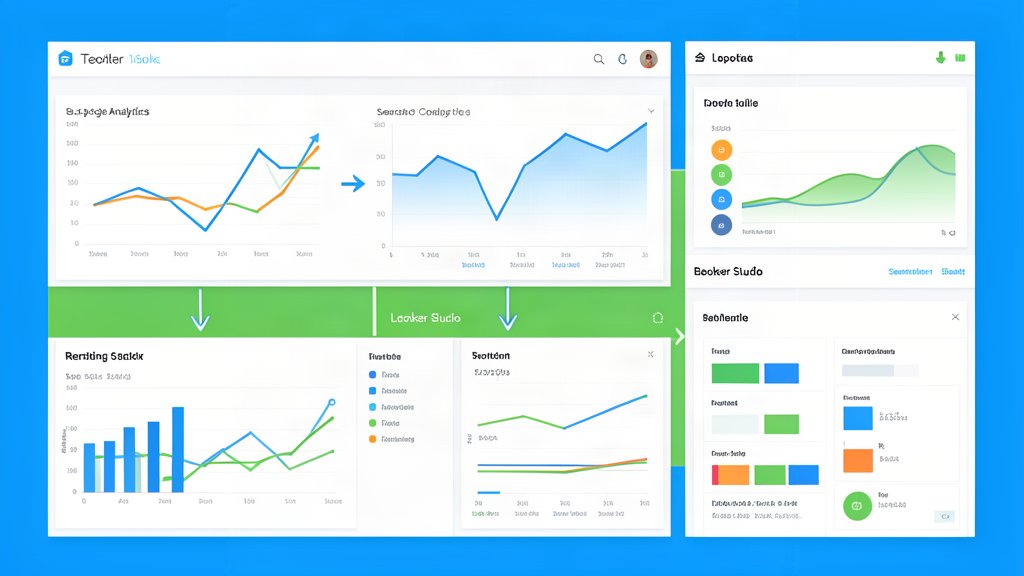
Looker Studio works best when every chart has a purpose. One section can cover traffic, another can cover search visibility, and another can cover conversions or lead quality. If the dashboard is built around decision-making, it stays useful long after the first launch.
The same rule applies to Google Tag Manager. A tag manager is not a place to improvise measurement. It is a control layer for a plan that already exists.
That is why a strong setup usually has:
- stable event names,
- clear UTM conventions,
- one source of truth for conversions,
- a short list of audience segments,
- and one monthly review process.
Make Reporting Easy To Trust
Looker Studio only becomes valuable when the underlying naming is clean. Use stable event names, consistent UTM conventions, and one dashboard structure that the team can revisit each month.
When needed, add Hotjar, Microsoft Clarity, or PostHog for behavior detail. But keep the reporting hub small enough that people still trust it.
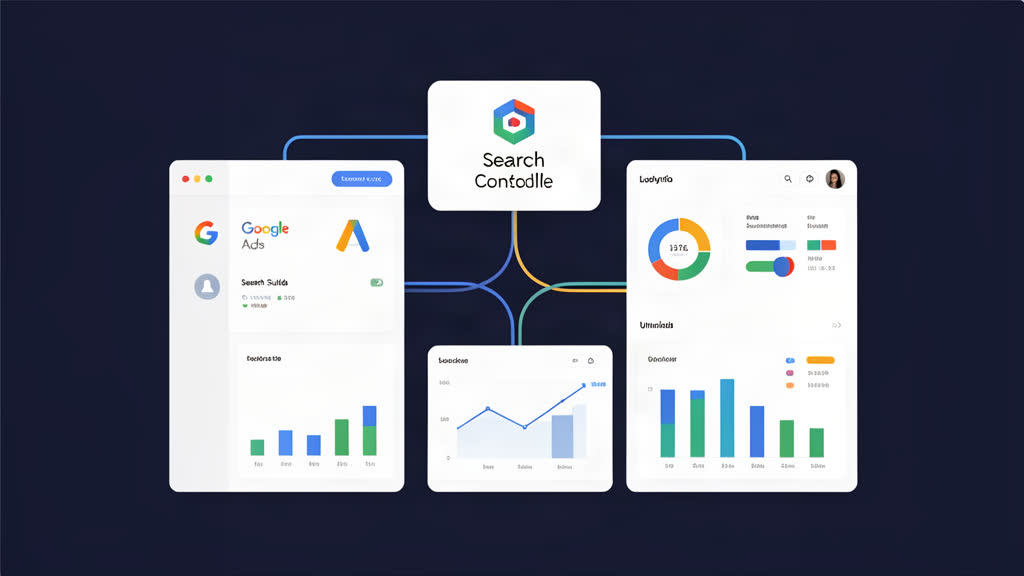
Google Ads and Search Console can feed the same reporting story when the business needs acquisition and query data in one place. That is especially helpful for service businesses, where a single organic page may influence both direct leads and assisted conversions.
If the team exports from analytics into Sheets or BigQuery before visualizing, the hub becomes more durable. The dashboard then reflects a model, not just a vendor default.
Practical Rule
Build the measurement system around decisions, not curiosity. If a chart does not help someone choose the next action, it probably does not need to be on the dashboard.
Official resources: Google Ads, Looker Studio, and Search Console help.
Related areas
Related What I Do
These What I Do pages are matched from the subject matter of this article, creating a cleaner path from educational content to implementation work.
Continue reading
Related articles
Based on shared categories first, then the strongest overlap in tags.