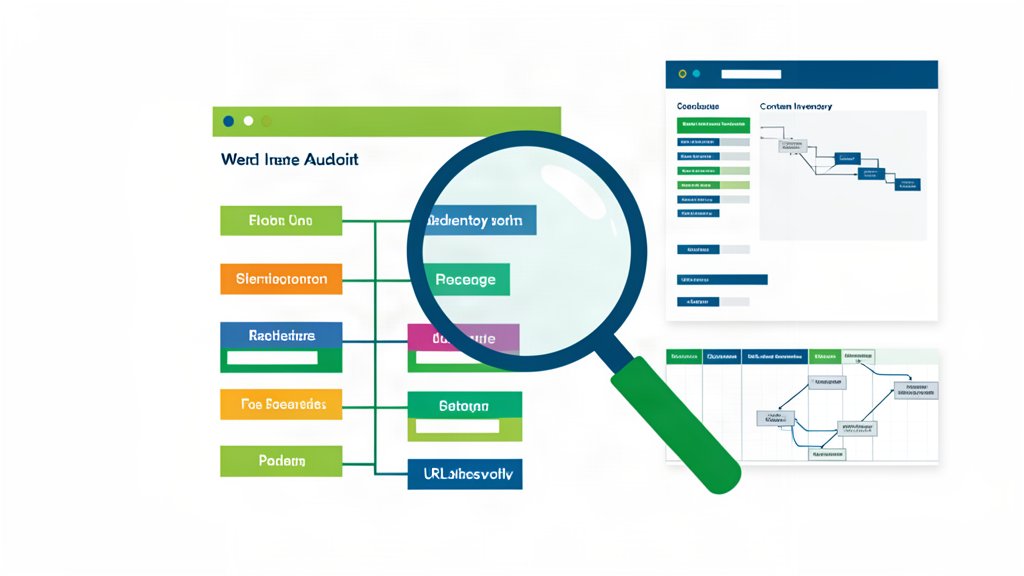
Multilingual sites usually become messy for structural reasons, not translation reasons.
The hard part is rarely the existence of another language. The hard part is that many content systems treat every page as a separate blob of layout, copy, and embedded decisions. Once that happens, every translation becomes a partial rebuild of the page instead of an update to the content itself.
Structured content reduces that problem.
W3C’s distinction is useful here: localization is not only translation, and internationalization is the design work that makes localization easier later. That includes language, date and time formats, currency, sorting, symbols, cultural expectations, and the separation of localizable elements from code and presentation.
Page Copies Create Hidden Editorial Debt
When each language gets its own page copy, small changes start multiplying:
- one page headline changes in one language but not the others,
- one CTA is updated in one market and forgotten elsewhere,
- one product detail changes in the source language but stays outdated in translation,
- one editor restructures a page manually and breaks consistency.
That is not only a translation problem. It is a modeling problem.
Structure Separates Meaning From Presentation
Structured content works better because it separates the content from the page assembly.
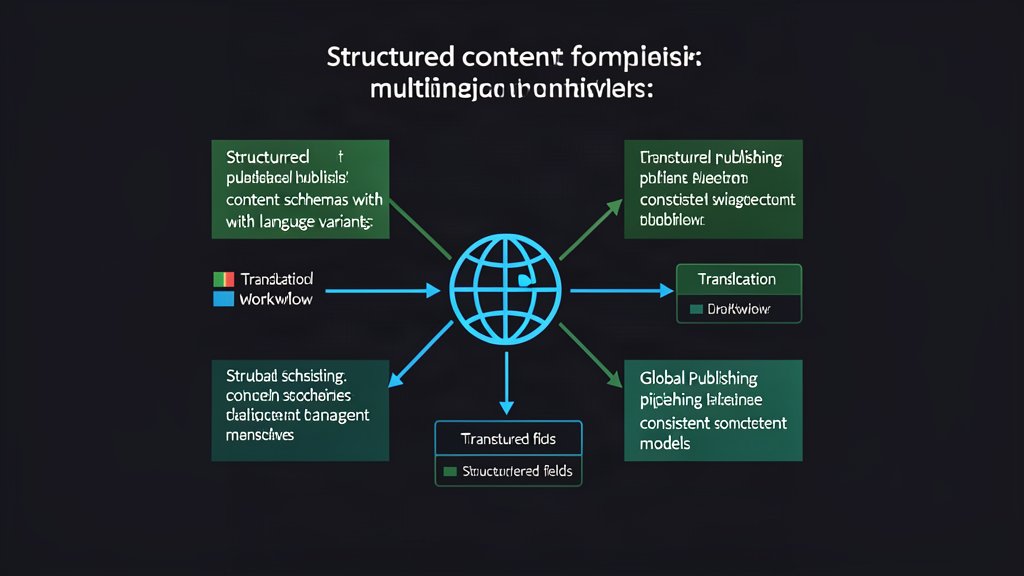
Instead of storing one entire page per language, the system can store reusable fields such as:
- title,
- summary,
- section heading,
- CTA label,
- feature list,
- FAQ item,
- metadata.
Once those fields are explicit, translation becomes easier to track, validate, and reuse.
That matters even on relatively small sites.
This is also why structured content matters more than just “using a headless CMS.” Contentful’s own headless CMS explanation makes the point directly: headless separates presentation from content management, but teams still need a content model if they want reusable content instead of page-shaped silos.
Multilingual Publishing Needs Consistent Rules
The advantage of structure is not only reuse. It is consistency.
If the content model says every service page has the same core fields, every translated service page can follow the same editorial rules. If the content model says FAQs are separate entries, those FAQs can be reused or localized without rebuilding the entire page by hand.
This is where a structured or headless CMS often helps more than a template-oriented system. The content becomes easier to manage because the shape is visible.
W3C also emphasizes that internationalization includes separating localizable elements from source code or content so the right alternatives can be loaded based on language or regional preference. That is exactly the kind of separation that page-copy workflows usually lack.
Reuse Matters Across More Than One Channel
Multilingual content often ends up in more than one place.
A site may need the same content on:
- landing pages,
- service pages,
- knowledge sections,
- email flows,
- product or campaign pages.
If each version is copied manually, the content operation slows down quickly. If the content is structured, the same translated units can be reused in different presentations.
That is one of the biggest reasons structured systems scale better.
It also reduces consistency drift. If pricing terms, CTAs, legal snippets, author bios, or FAQ answers are modeled as reusable elements, updates can happen in one place instead of through page-by-page cleanup across markets.
Model The Repeating Parts First
Not everything needs deep modeling from day one.
The best place to start is with the content that repeats most often:
- service page blocks,
- CTA components,
- FAQs,
- author or company snippets,
- metadata and taxonomy.
Once those are structured, the multilingual workflow usually becomes much easier to maintain because the system is no longer relying on page-by-page duplication.
That step usually has a bigger operational impact than adding more translation tooling. Better structure often removes more editorial friction than another workflow layer does.
A Practical Rule
If adding a new language means cloning full pages and manually fixing the same sections over and over again, the content model is probably too page-shaped.
That is usually the moment to introduce more structure.
Bottom Line
Structured content makes multilingual publishing easier because it turns translation into field-level editorial work instead of layout-level duplication.
That improves consistency, reduces maintenance overhead, and makes it much easier to reuse website content across markets and channels. It also aligns much better with W3C’s idea of internationalization: design the system so localization is not an expensive retrofit later.
References: W3C Internationalization and Contentful on Headless CMS and structured content.
Related areas
Related What I Do
These What I Do pages are matched from the subject matter of this article, creating a cleaner path from educational content to implementation work.
Continue reading
Related articles
Based on shared categories first, then the strongest overlap in tags.