Astro in 2026: why content sites still benefit from the framework’s latest releases
Astro keeps proving that content sites can stay fast, structured, and maintainable without turning every page into a JavaScript app.
Category
11 matching blog articles. Articles on Astro, static site generators, build performance, and content-driven static publishing.
Category wiki
Definition
Static-site notes focused on Astro and lightweight publishing stacks.
What belongs here
Articles land in Static Sites & Astro when the main subject is astro, static site architecture, and content-driven publishing with performance in mind..
How to read it
Treat this category as the broad lane first, then use tags to narrow that subject down to the concrete technologies, platforms, or patterns used inside it.
Common tags in this category
Astro keeps proving that content sites can stay fast, structured, and maintainable without turning every page into a JavaScript app.
Learn how Astro static site generator and CloudCannon headless CMS combine to deliver blazing-fast, SEO-optimized multilingual websites that non-technical clients can edit themselves. Includes Croatian localization tips.
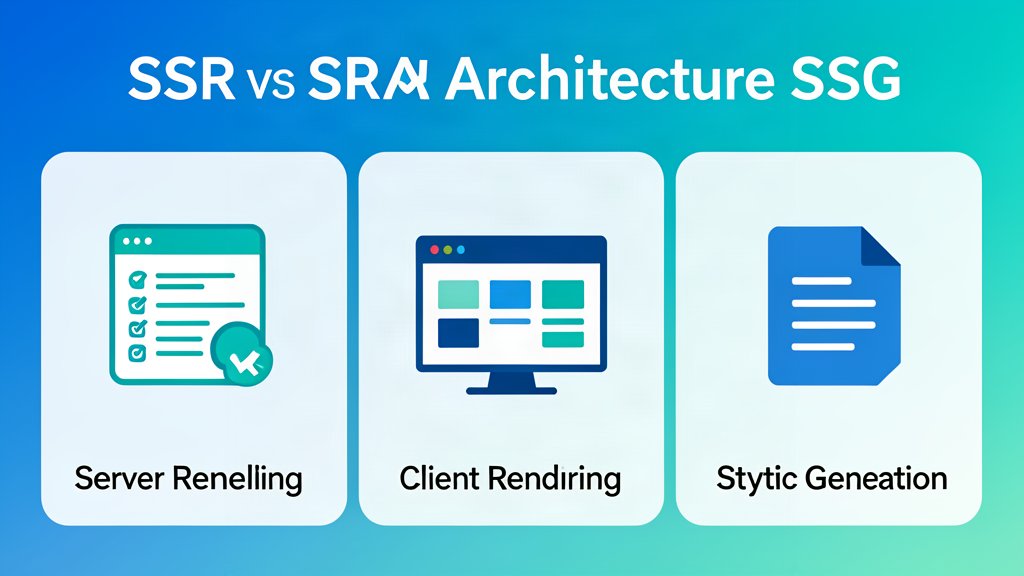
Compare SSR, SPA, and SSG to choose the best architecture for SEO, performance, and user experience. Includes use-case recommendations and framework comparisons.
Astro content collections keep service pages, blog posts, and other structured pages aligned without adding CMS complexity too early.
Astro content collections are often enough when the content operation needs structure, validation, and performance more than a heavy editorial backend.
A static site is often the better content system when publishing is predictable, editors are few, and operational overhead matters more than CMS convenience.
Jekyll, Ghost, and Gatsby still have valid use cases when the project needs simple publishing, built-in memberships, or React-based static generation.
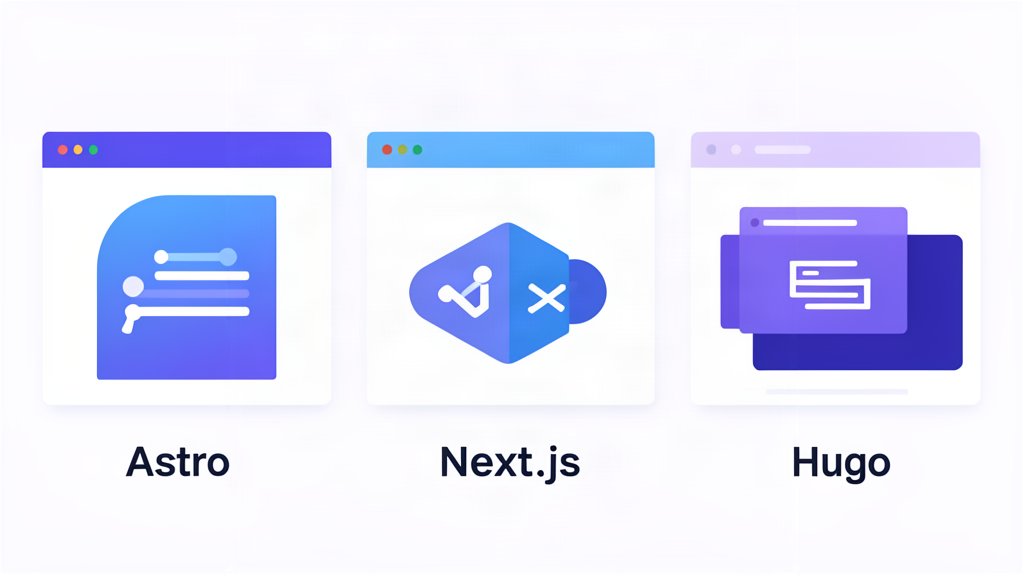
Astro, Next.js, and Hugo solve different website problems, so the best choice depends on publishing flow, interactivity, and maintenance.
On March 2nd and 3rd, we’ll gather again to see how Gatsby enables powerful data sourcing, seamless team collaboration, and optimized performance without sacrificing speed.

This is the first video of the Go Hugo series in which I will try to answer the most common questions about this great framework.
Markdown is a great way of writing your posts for new static website generators, but sometimes you need to add HTML classes directly to the output to make it look better. Here comes to play Hugo shortcodes that will help you programmatically add custom HTML to your markdown files.