
On July 2, 2026, Microsoft announced Frontier Co. — a $2.5 billion commitment to embed 6,000 forward-deployed engineers (FDEs) directly with enterprise customers to help them implement AI. Two days earlier, AWS announced its own $1 billion FDE initiative. The signal from the two largest cloud providers is unmistakable: AI adoption is no longer a technology problem. It is a people problem.
What Frontier Co. Actually Is
Frontier Co. is not a product or a platform. It is a dedicated unit of 6,000 employees — existing Microsoft FDEs, technical consultants, support staff, and industry-specific salespeople — whose job is to sit inside customer organisations and build AI solutions into their specific workflows, data environments, and compliance requirements.
Led by Rodrigo Kede Lima (previously Microsoft Asia president), Frontier Co. represents Microsoft’s recognition that the enterprise AI adoption bottleneck has shifted. Companies are no longer asking “which model should we use?” — they are stuck on “how do we integrate this into our business?”
Why Both Cloud Giants Are Doing This
The same dynamic is playing out across the industry. Anthropic and OpenAI both established FDE groups in May 2026, partnering with private equity firms, banks, and consulting organisations. Accenture and EY announced Microsoft-aligned FDE programs earlier in the year.
Judson Althoff, Microsoft’s president, captured the market reality: “Customers are in very different places right now, trying to figure out AI.” The consulting and systems integration arms of cloud providers are growing because AI deployment requires organisational change, not just API keys.
For technical professionals, Forward Deployed Engineering — a practice popularised by Palantir with US military clients — is becoming standard in enterprise AI. The skillset of understanding both AI technology and business workflows is increasingly valuable.
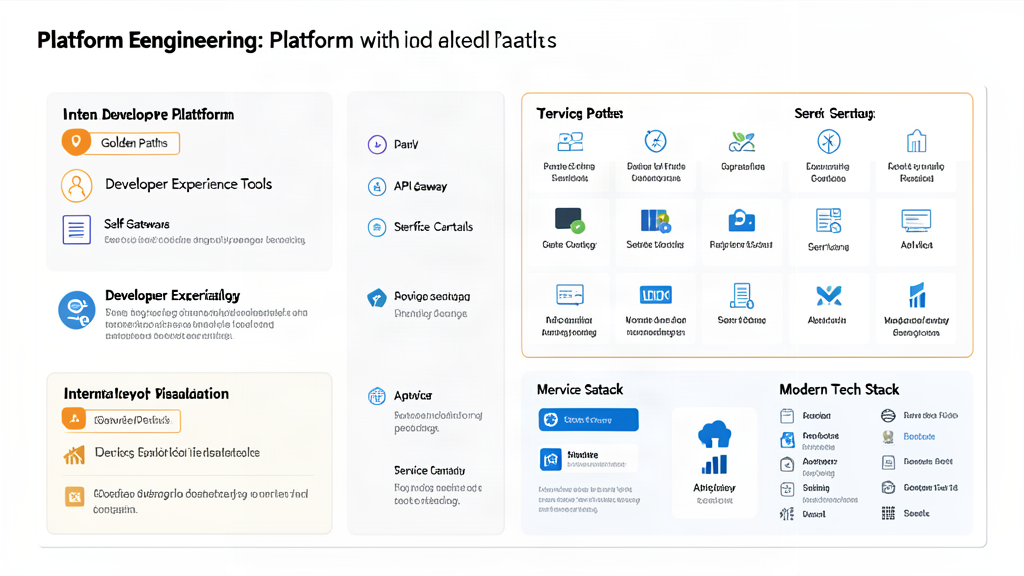
The structural shift mirrors what is happening inside technical teams themselves. The move from DevOps generalist to platform engineering shows a similar specialisation trend playing out in infrastructure.
Related areas
Related What I Do
These What I Do pages are matched from the subject matter of this article, creating a cleaner path from educational content to implementation work.
Continue reading
Related articles
Based on shared categories first, then the strongest overlap in tags.