
If you have been hiring “DevOps engineers” as generalists who own everything from CI/CD to monitoring to production incidents, you are increasingly behind the curve. The model that worked for early-stage startups breaks around thirty to fifty engineers, and in 2026 the industry is formalising a replacement: platform engineering.
What Changed
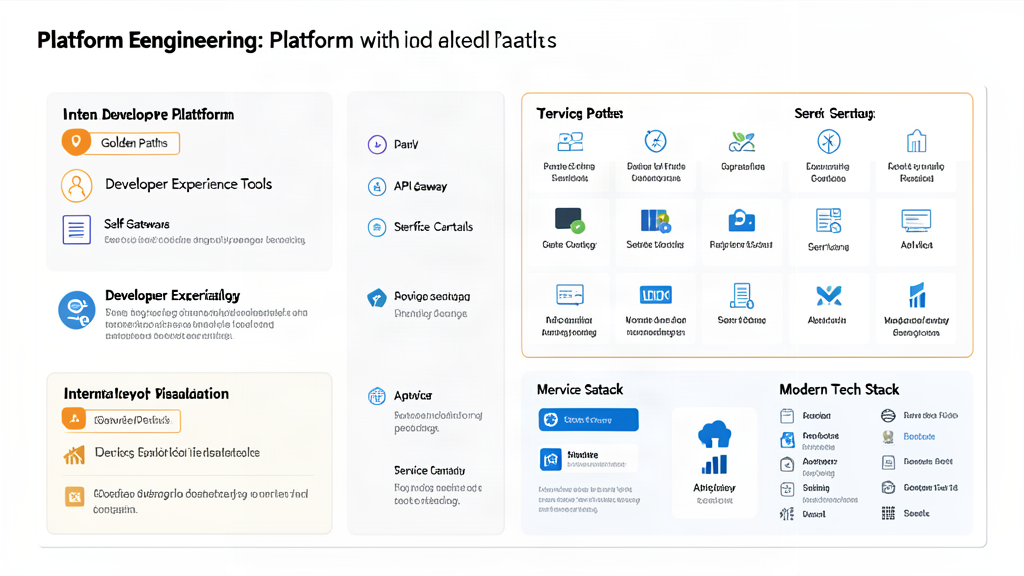
The generalist DevOps model — one person (or a small team) managing servers, pipelines, monitoring, and getting paged at 2am — does not scale. As organisations grow, application teams need infrastructure on demand, not tickets. Platform engineering teams build Internal Developer Platforms (IDPs) — self-service layers that let developers provision databases, deploy services, and request infrastructure without filing a ticket or waiting for operations.
This is not a rebranding of the same role. It is a structural split: the platform is built once by a dedicated team, and application teams consume it through standardised interfaces. The result is faster delivery, fewer context switches, and less burnout.
Key Tools Defining 2026
Backstage — Spotify’s open-source IDP framework became a CNCF graduated project in 2026 and serves as the control plane for many platform teams. It provides a software catalog, developer portal, and plugin ecosystem for integrating tools across the delivery pipeline.
GitOps with Argo CD and Flux — The Git repository as the single source of truth for deployment state is now the default model for new projects. Teams report cutting deployment time from days to minutes by removing manual approval bottlenecks and relying on automated reconciliation.
OpenTofu — HashiCorp’s BSL license change drove significant adoption of OpenTofu as the open-source Terraform alternative. For teams that value vendor-neutral infrastructure-as-code, OpenTofu has become the default choice for new projects.
GitHub Actions and GitLab CI have largely displaced Jenkins for new pipelines. The shift to cloud-native CI/CD reduces maintenance overhead and aligns with the self-service philosophy of platform engineering.
Kubernetes Is Not for Everyone
A notable shift in 2026 is that platform teams ask “Do we need Kubernetes?” more often. Managed Kubernetes reduces operational overhead compared to self-managed clusters, but serverless containers and managed platforms are often cheaper and simpler for smaller workloads. Choosing the right abstraction for each team’s maturity is part of the platform team’s job, not a dogma.
Observability Matures Beyond Dashboards
OpenTelemetry-based distributed tracing is now table-stakes for observability in microservices environments. Dashboards full of CPU metrics are insufficient when debugging a request that crosses fifteen services. Platform teams standardise on OpenTelemetry as the instrumentation layer, then layer on tracing, metrics, and alerting tools that share a common data model.
What This Means for Your Team
If you are still hiring DevOps generalists to own everything, consider building a platform engineering function instead:
- Standardise the toolchain — choose one GitOps tool, one CI/CD platform, one observability stack. Let your platform team own the integration, not every application team.
- Build an Internal Developer Platform — even a simple one. Start with a portal that documents available services and provides self-service provisioning for common needs (databases, staging environments, DNS).
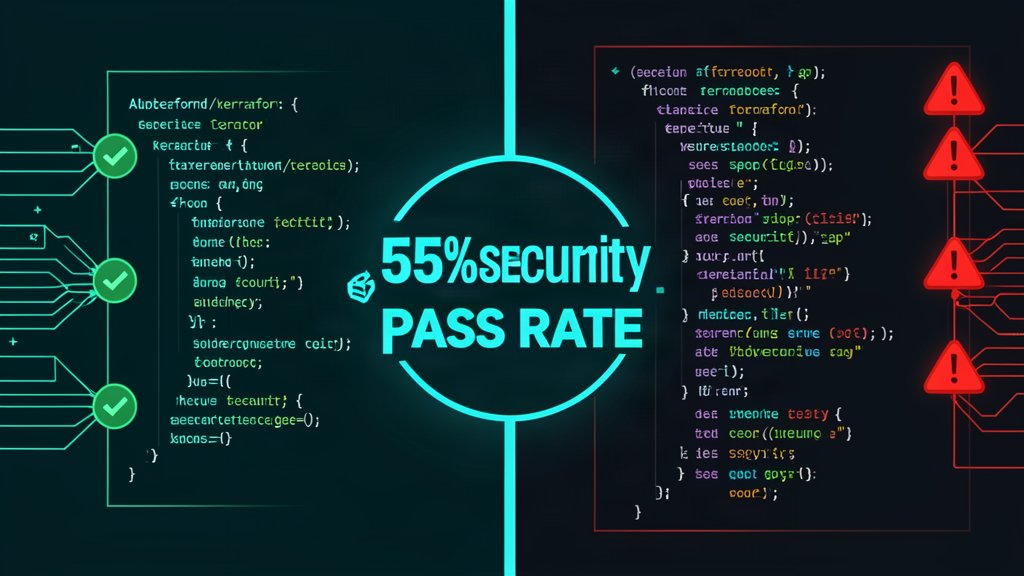
- Shift security left — DevSecOps is not a separate role. SAST, SCA, and container scanning in every pipeline is standard practice in 2026. The platform team bakes these in so application teams cannot skip them.
The Bottom Line
The DevOps generalist role is not dead — but it is becoming specialised. The industry is splitting into platform engineers who build and maintain the internal platform, and application engineers who consume it. If your organisation is past the early stage and still expects one person to own everything, you are asking for burnout, bottlenecks, and slow delivery. Build the platform, standardise the toolchain, and let your teams self-serve.
Related areas
Related What I Do
These What I Do pages are matched from the subject matter of this article, creating a cleaner path from educational content to implementation work.
Continue reading
Related articles
Based on shared categories first, then the strongest overlap in tags.