When to Use LangGraph, LangChain, and LangSmith in One AI Stack
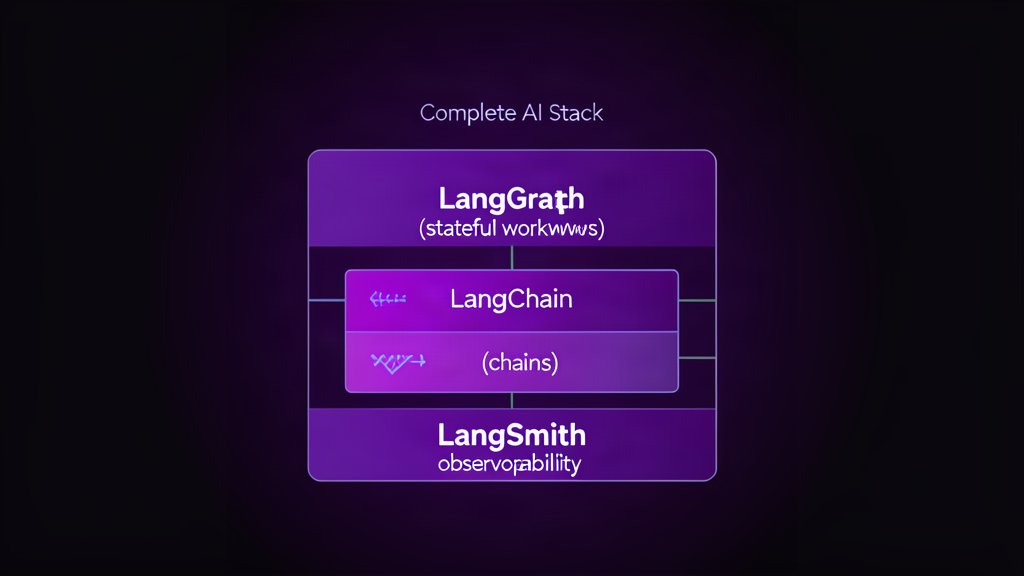
LangChain, LangGraph, and LangSmith solve different problems, and the stack is clearer when each layer has a specific job.
Tag
7 matching blog articles with repeat coverage under this topic.
Tag wiki
Definition
RAG stands for retrieval-augmented generation, a pattern where an LLM retrieves relevant external context before generating an answer instead of relying only on model memory.
Why it matters
It matters when accuracy, freshness, traceability, or domain-specific grounding are more important than letting a model respond from generic pretraining alone.
In this archive
In this archive RAG shows up in document pipelines, chunking, embeddings, retrieval quality, evaluation, and real-world AI implementations that need grounded answers. It currently appears across 2 categories, mainly AI, Updates.
Often appears with
LangChain, LangGraph, and LangSmith solve different problems, and the stack is clearer when each layer has a specific job.
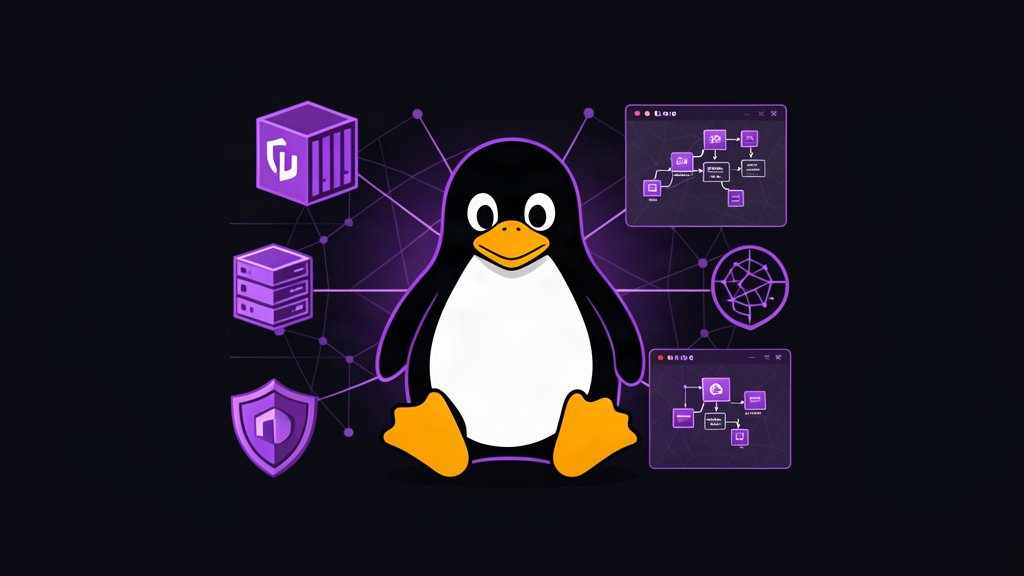
Ubuntu 26.04 LTS improves the security, container, and retrieval layers that AI teams keep fighting during development and deployment.
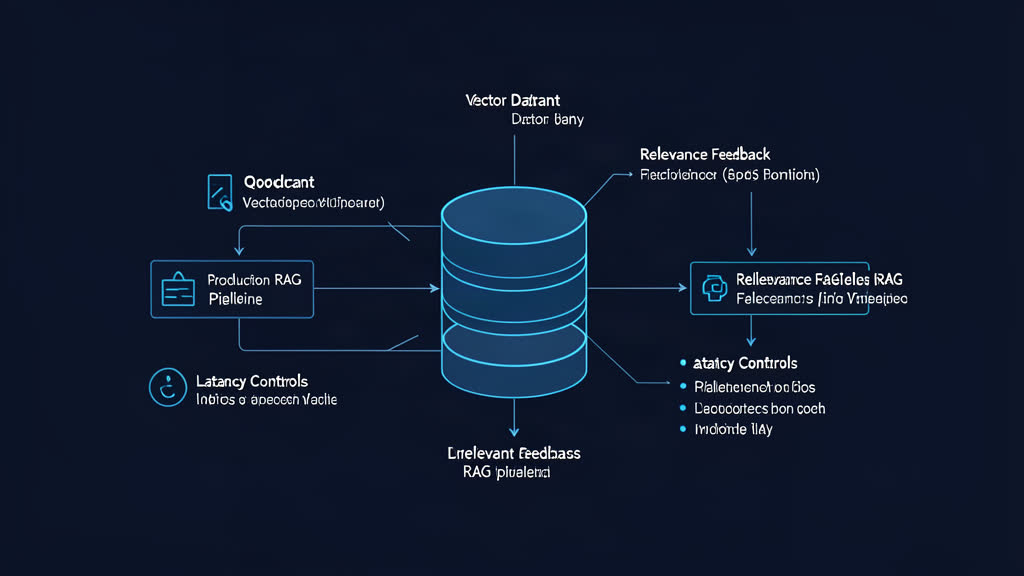
Qdrant 1.17 adds relevance feedback, latency controls, telemetry, and UI improvements that matter when retrieval is part of a real production system.
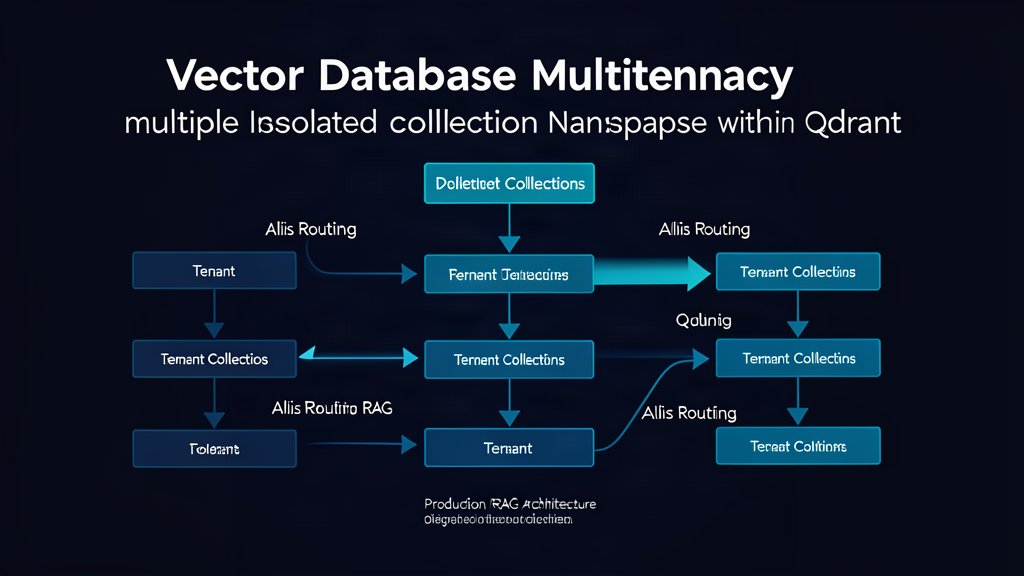
Qdrant multitenancy and collection aliases make it easier to serve multiple users and switch retrieval indexes safely in production RAG systems.
A practical Qdrant RAG architecture using dense vectors, sparse vectors, prefetch, and multi-stage search.
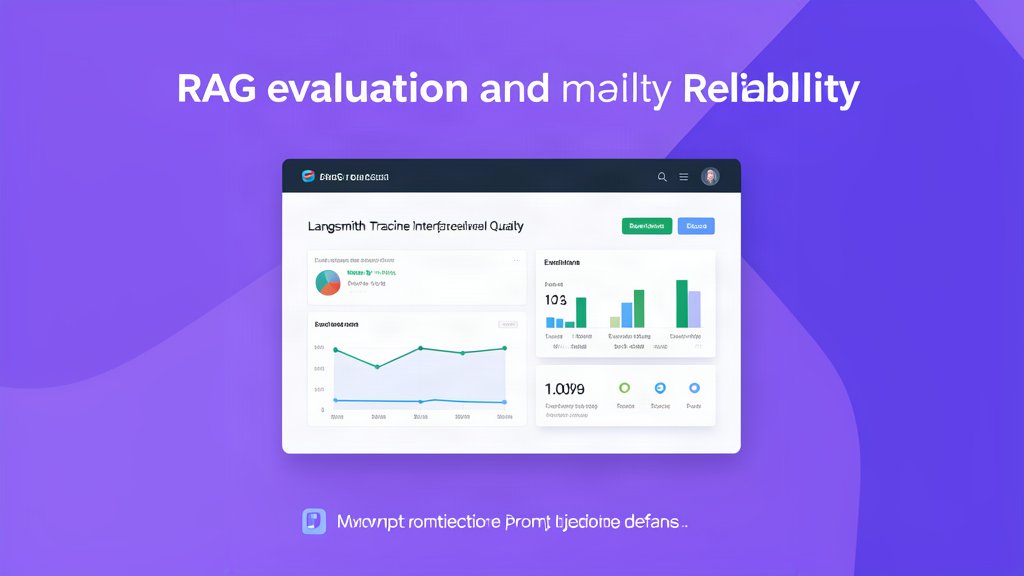
RAG systems become useful when you evaluate retrieval quality, defend against prompt injection, and inspect traces with LangSmith.
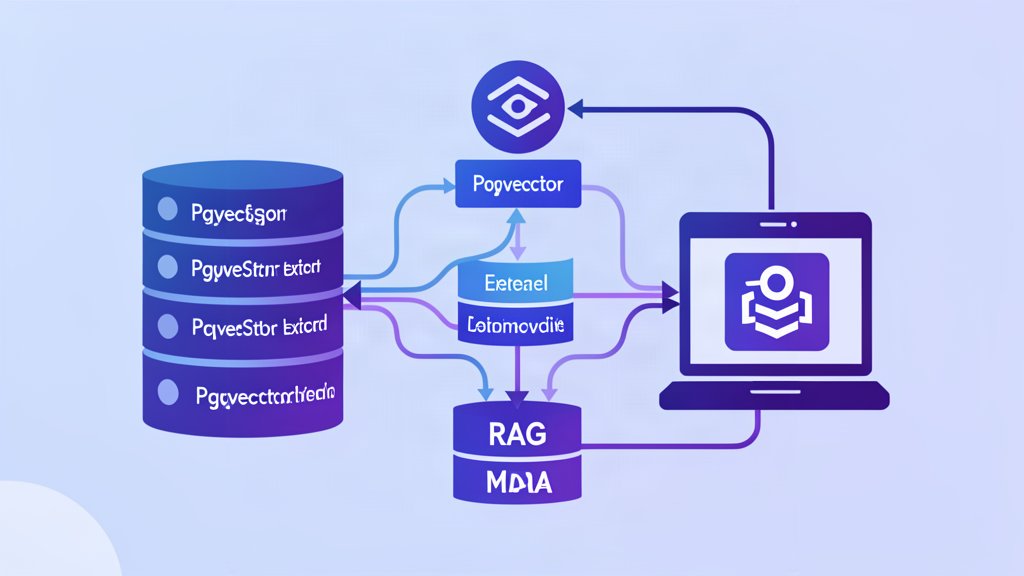
A practical RAG architecture using PostgreSQL, pgvector, embeddings, and a model that answers from retrieved context.