A RAG system is only useful if it keeps working after the first demo.
That is where evaluation and observability matter. The model might be fine. The retrieval might be fine. But the overall workflow can still fail because the wrong chunks were retrieved, the prompt was too permissive, or the system was never tested against realistic questions.
The Main Failure Modes
RAG systems usually fail in a few predictable ways:
- The data is stale or incomplete.
- Retrieval returns plausible but weak context.
- The model hallucinates because the prompt is too open-ended.
- Retrieved text contains instructions the model should ignore.
- Nobody has a clear baseline for what “good” looks like.
Those are not model problems alone. They are system problems.
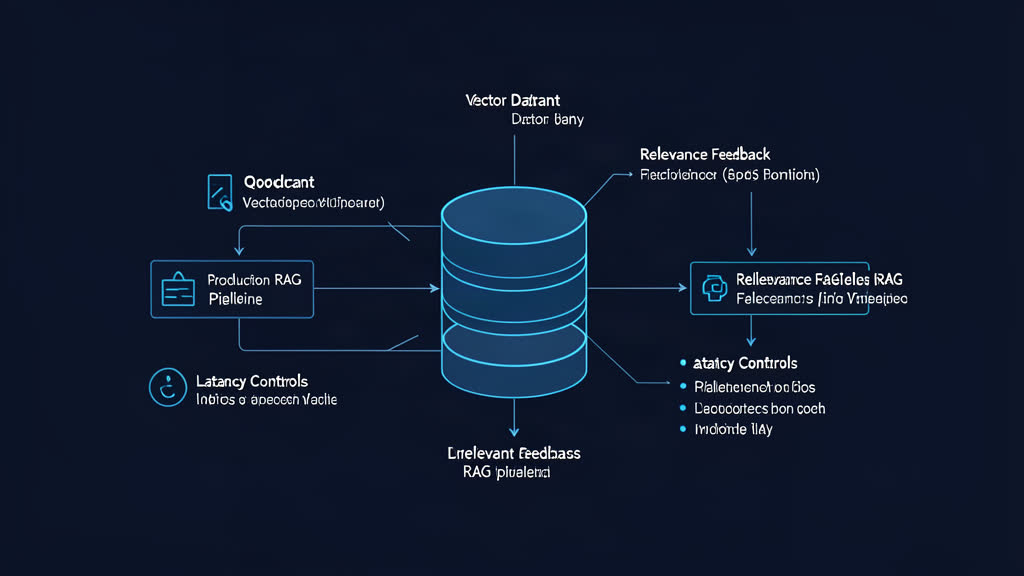
The modern LangChain docs make this explicit by putting tracing, retrieval, and evaluation in the same production conversation. That is the right framing because RAG is not a single component. It is a pipeline with several places to go wrong.
The failure often starts before the model sees any text. Chunking, embeddings, filters, reranking, and retrieval scope all shape the answer.
Why Evaluation Comes First
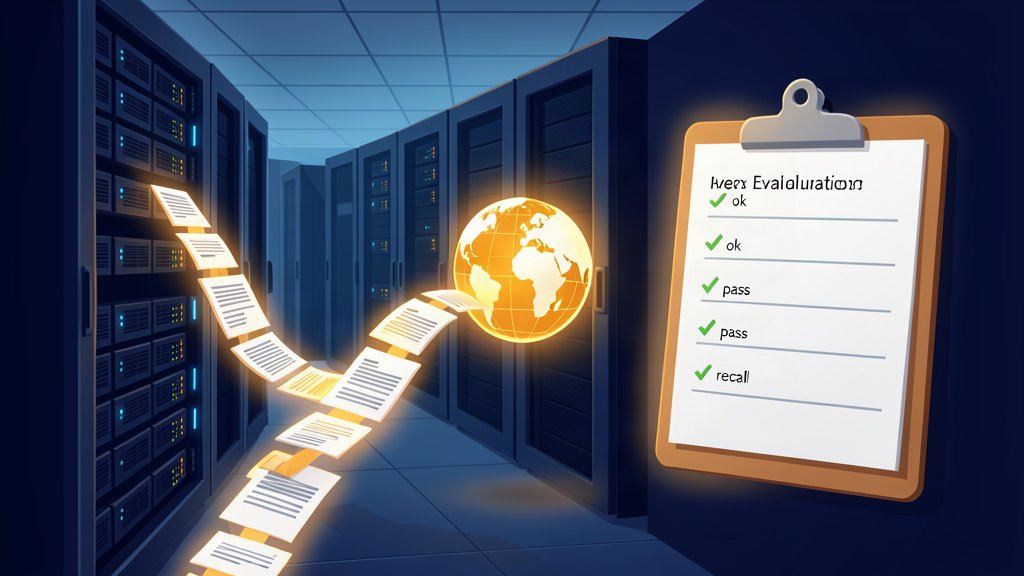
Before you ship a RAG system, you need a small set of real questions and expected answers.
That gives you a baseline. It also tells you whether changes to chunking, retrieval, filters, or prompting are improving the system or just changing its behavior.
The important thing is not perfect scores. The important thing is to know if the system is getting better in ways that matter.
Build A Tiny Test Set
A reliable RAG system usually starts with a small set of real questions and expected answers.
That test set should include easy questions, ambiguous questions, and questions the system should refuse to answer. If the retriever improves but the answer quality gets worse, you know the system is drifting in the wrong direction.
Why LangSmith Helps
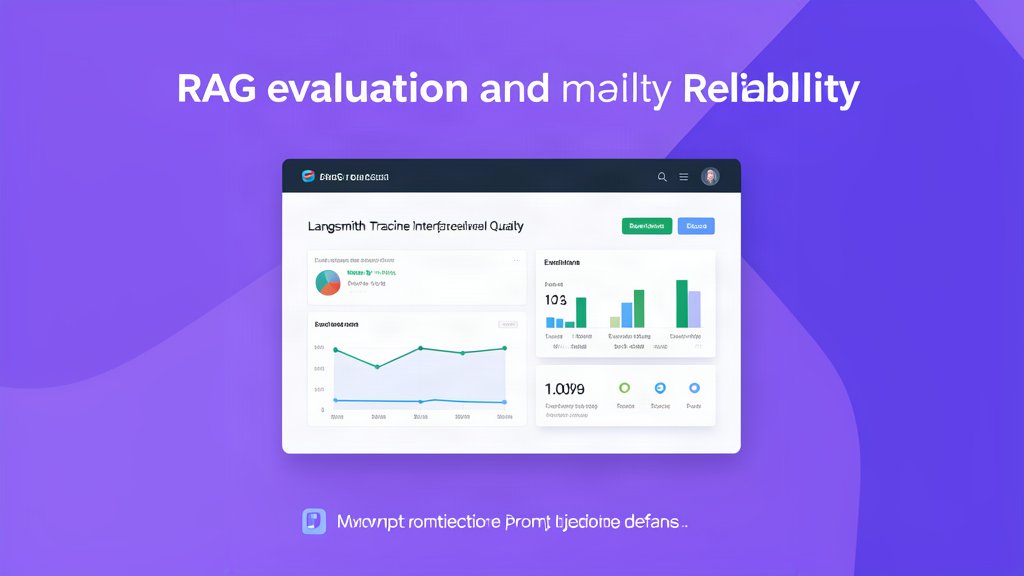
LangSmith is useful because it makes the workflow visible.
For a RAG system, that usually means you can inspect:
- Which query was generated.
- Which chunks were retrieved.
- What context reached the model.
- How the final answer was produced.
That trace is often the difference between guessing and understanding.
LangChain’s own RAG docs show LangSmith traces as part of the debugging flow, which is the right mindset: tracing is not an optional extra once the system gets real.
Tracing also helps when you want to compare retrieval strategies. If a different chunk size, filter, or reranker improves one question but harms another, the trace makes that tradeoff visible instead of hidden.
The Security Problem You Cannot Ignore
RAG also creates an indirect prompt injection risk.
Retrieved documents are data, but they can contain text that looks like instructions. If the model treats those instructions as part of the prompt, it may follow the wrong ones.
The defensive pattern is simple:
- Tell the model to treat retrieved content as data.
- Separate context from instructions clearly.
- Validate outputs before they reach a user.
This is not paranoia. It is normal hygiene for systems that let external text influence a model response.
It also means the system should know when to say “I do not know”. A reliable assistant is not one that answers everything. It is one that knows when the retrieved context is insufficient.
Make Retrieval Less Fragile
The practical improvements are usually boring:
- use better chunking,
- keep metadata clean,
- tune retrieval thresholds,
- and test the system with real questions.
That is where a lot of RAG quality is won.
A Practical Reliability Checklist
A RAG system is in better shape when it can answer yes to most of these:
- Do we know where the authoritative data comes from?
- Do we have a test set of real questions?
- Can we inspect the retrieval trace?
- Do we know when the system should say “I don’t know”?
- Are we measuring changes instead of guessing?
If the answer is no, the system is still in prototype territory.
Bottom Line
RAG becomes dependable when you treat it as a measured workflow, not a clever prompt.
Use evaluation to define success, LangSmith to inspect what happened, and basic prompt-injection defenses to keep retrieved data from becoming an attack surface.
That is how you move from a demo that sounds smart to a system you can actually trust.
Reference: LangChain RAG tutorial, LangSmith, and Retrieval-Augmented Generation.
Related areas
Related What I Do
These What I Do pages are matched from the subject matter of this article, creating a cleaner path from educational content to implementation work.
Continue reading
Related articles
Based on shared categories first, then the strongest overlap in tags.