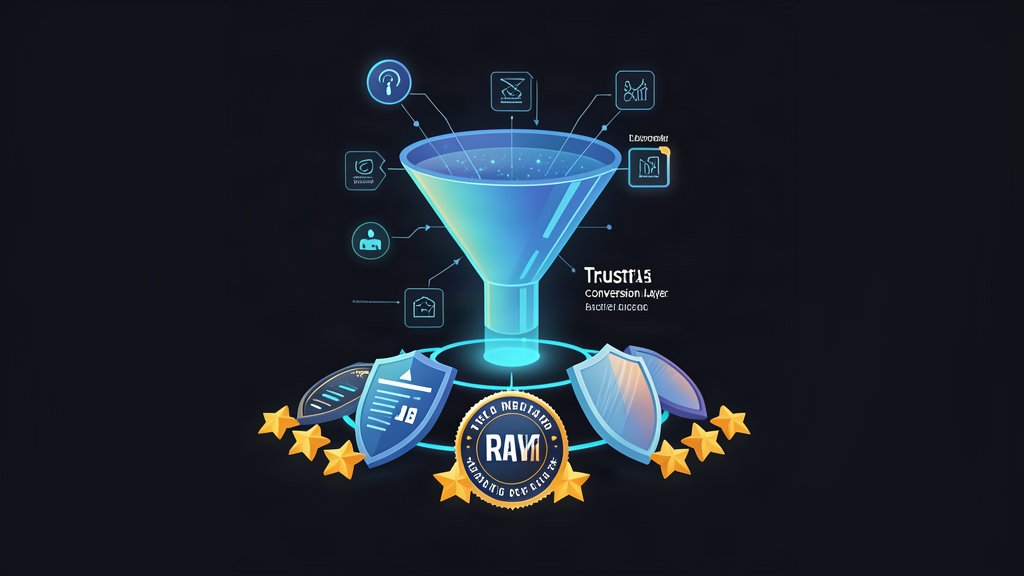
AI tools are getting better, but trust is still the real conversion layer.
Salesforce’s 2026 AI Connected Customer research shows a useful pattern: customers are more open to personalization, but they are also more protective of their data. It also shows that many customers want to know when they are talking to an AI agent. That tells us something important: capability alone is not enough.
If people do not trust the process, they will not trust the result.
What Customers Are Signaling
The numbers are consistent with what many businesses already feel in practice.
Customers want relevance, but they also want clarity about how their information is used. They will accept AI when it is useful, especially when it saves time. They are much less comfortable when the system feels opaque or when the stakes are high.
That means the business job is not just to add AI. It is to make AI visible, controlled, and understandable.
Trust Is A Design Problem
Trust is not built by a privacy policy nobody reads.
It is built by the whole experience:
- Clear messaging about what the AI does.
- Clear boundaries on what data it uses.
- Clear paths to a human when needed.
- Clear explanations when the assistant is acting on behalf of the business.
- Clear receipts, logs, or confirmations when an action matters.
That is why trust is a design and operations problem, not just a legal one.
What This Means For AI Projects
Many AI projects overfocus on what the model can do and underfocus on what the customer will accept.
The better question is: where does AI reduce friction without creating uncertainty?
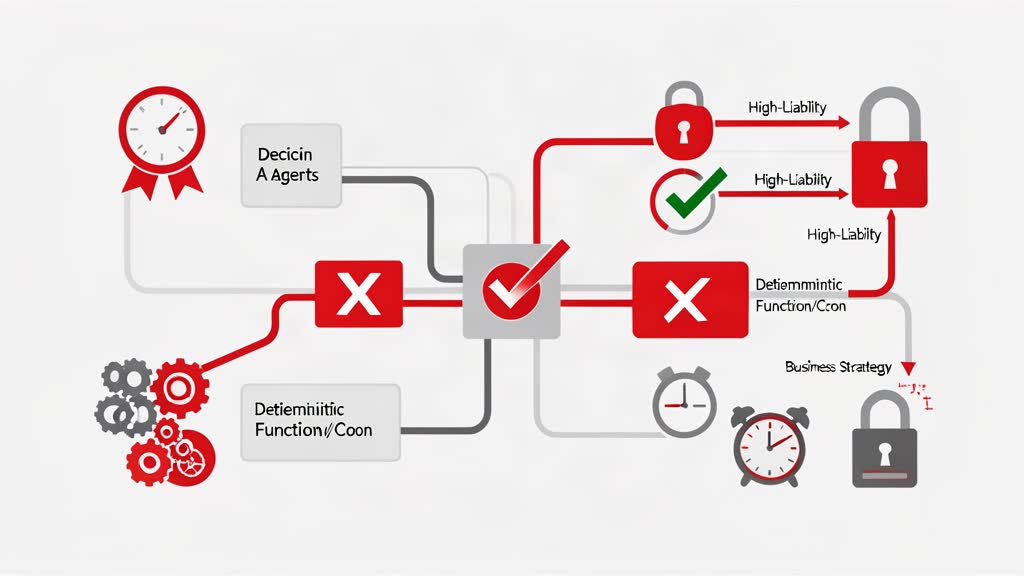
If the answer is support triage, content drafting, knowledge retrieval, or internal automation, trust can usually be managed with good visibility and human review. If the answer is account changes, payments, sensitive decisions, or public messaging, the design needs stricter guardrails.
Microsoft’s recent Work Trend Index material points in the same direction: AI is becoming a work capability, but organizations still need a smart approach to adoption rather than a wide-open rollout.
The Strategy For Businesses
For an AI-enabled business, the strongest strategy is usually:
- Use AI where speed and consistency matter.
- Keep humans in the loop where the decision has real consequences.
- Tell customers when AI is involved.
- Minimize the data the system needs.
- Build visible trust signals into the interface and process.
That combination makes AI easier to adopt because it lowers fear.
Why This Matters For Consulting
For consulting work, this is the difference between a feature and a system.
A company can buy a chatbot in a week. It cannot buy trust that fast. Trust has to be designed into the site, the workflow, the handoff, and the support process. That is where strategy work becomes more valuable than tool selection.
If the business can explain what the AI is doing and why it is safe enough for the task, adoption becomes much easier.
Bottom Line
AI will keep spreading, but conversion still depends on confidence.
The companies that win will not just deploy the smartest models. They will build the clearest trust model around them.
References: Salesforce State of the AI Connected Customer and Microsoft Work Trend Index 2025.
Related areas
Related What I Do
These What I Do pages are matched from the subject matter of this article, creating a cleaner path from educational content to implementation work.
Continue reading
Related articles
Based on shared categories first, then the strongest overlap in tags.