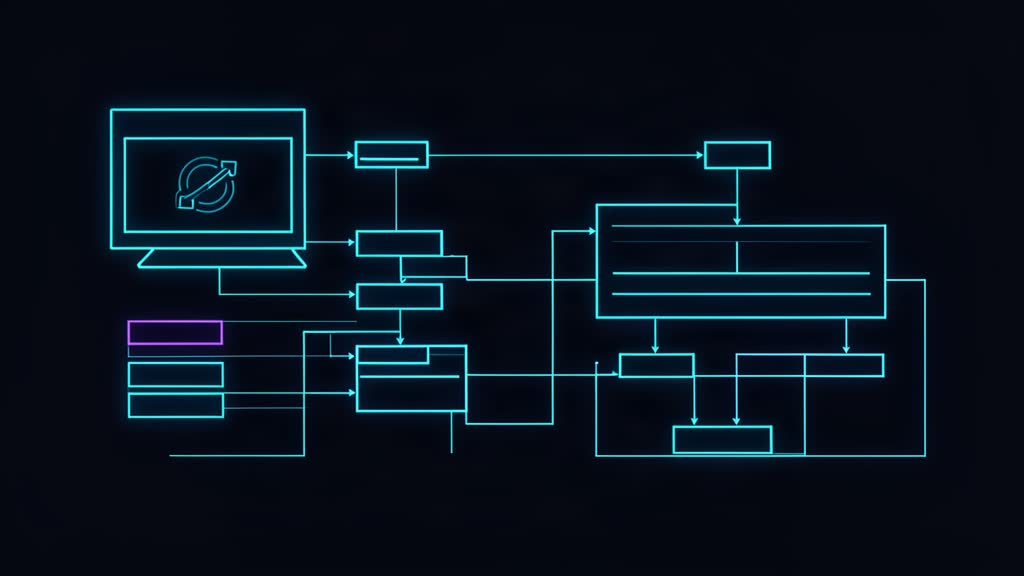

GraphQL is still relevant when the frontend needs flexibility and the backend has to stay organized.
It is especially useful in headless CMS setups, commerce platforms, dashboards, and apps where multiple clients want different shapes of the same data. Instead of building separate endpoints for each screen, you define a schema and let clients ask for exactly the fields they need.
What GraphQL Is Used For
GraphQL is good for:
- Flexible frontend data fetching.
- Headless CMS and commerce APIs.
- Strongly typed schemas for shared data access.
- Reducing overfetching and underfetching.
That makes it a natural fit for API-first systems.
Current Direction
The official GraphQL learning site still centers the same core ideas: schema design, queries, mutations, HTTP behavior, and best practices. The 2026 conference and community activity also show that GraphQL is still a living ecosystem, not a finished chapter.
The practical lesson has not changed. Good GraphQL is about disciplined schema design, not just exposing every database table.
Where GraphQL Fits Best
GraphQL tends to work best when:
- Multiple frontend apps share one backend.
- Content or product data is reused in many ways.
- The team wants a single typed contract.
- The UI frequently changes its data needs.
Where REST Is Still Better
REST is often simpler for public APIs, basic CRUD apps, and teams that do not need the flexibility of a graph-based schema. GraphQL solves a real problem, but not every API has that problem.
Practical Rule
Use GraphQL when the data model is shared by many clients and the API needs to stay flexible without becoming messy. If the team needs one carefully designed contract instead of many small endpoints, GraphQL remains a strong option.
Official resources: GraphQL Learn and GraphQL Specification.
Related areas
Related What I Do
These What I Do pages are matched from the subject matter of this article, creating a cleaner path from educational content to implementation work.
Continue reading
Related articles
Based on shared categories first, then the strongest overlap in tags.