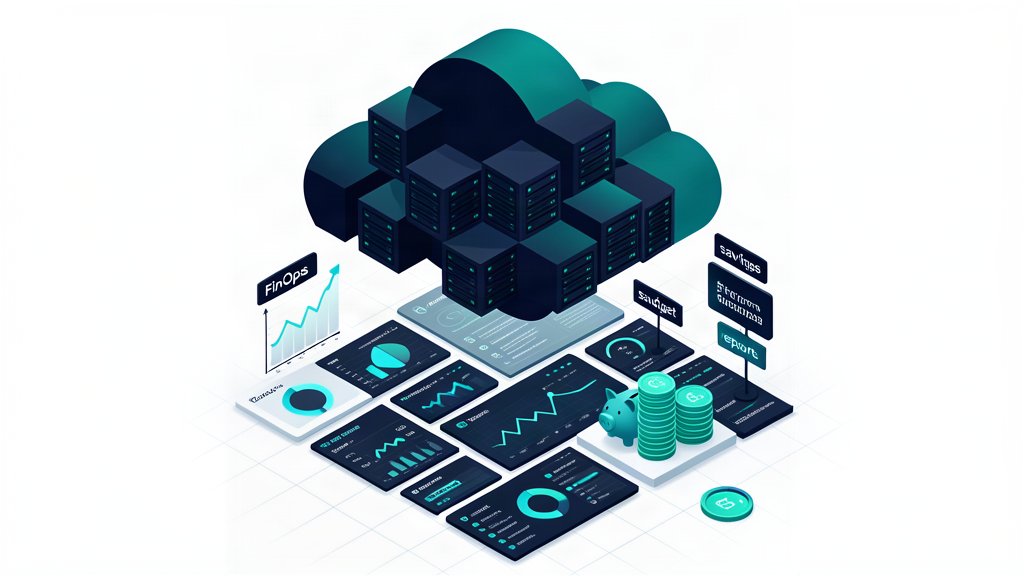
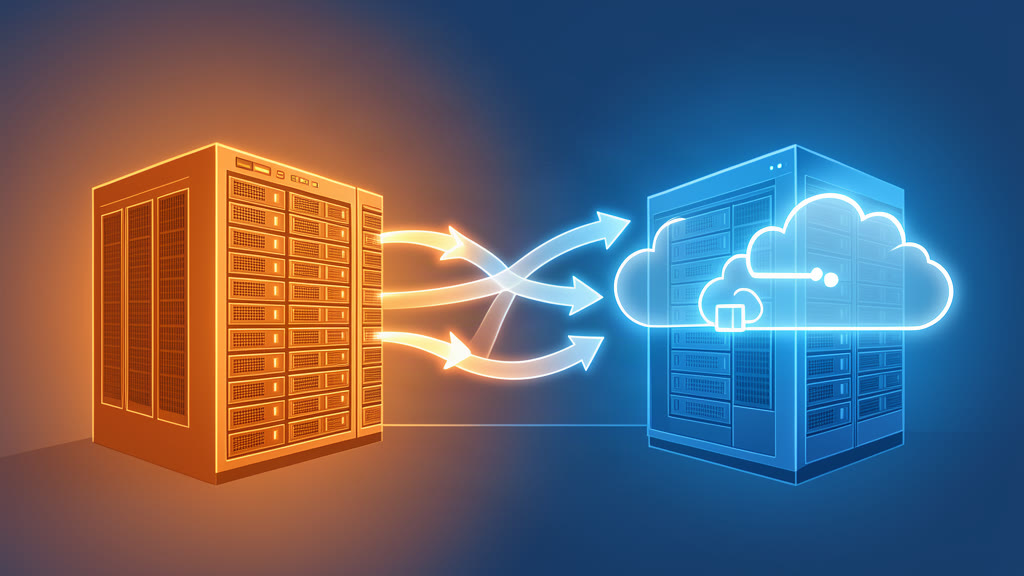
Cloud repatriation is real, but it is not a mass cloud exodus. A Barclays CIO survey found that 86% planned to move some workloads back to private infrastructure; IDC put full-scale repatriation at only about 8–9%. Public-cloud spending is still growing. The practical question is workload placement.
Suitable candidates for repatriation
Start with a 36-month total-cost model covering hardware, colocation, power, cooling, operations, backups, and refresh cycles. Test high-utilization compute, storage-heavy pipelines, CI runners, internal databases, and dedicated AI inference. Egress charges and waste can make these workloads expensive; Flexera’s 2026 research estimated 29% of cloud spend was wasted. 37signals, Dropbox, and GEICO have reported savings after moving selected workloads to owned infrastructure.
Keep bursty development, event-driven systems, global applications, and managed-service-dependent products in the cloud. On-premises avoids provider fees but adds capacity planning, hardware failures, specialist operations, and slower access to managed features.
Hybrid is the sensible default. Classify workloads by utilization, data gravity, compliance, latency, and dependencies, then pilot one candidate. The EU Data Act is scheduled to prohibit cloud switching and egress charges from 12 January 2027, changing the case for portability.
Related areas
Related What I Do
These What I Do pages are matched from the subject matter of this article, creating a cleaner path from educational content to implementation work.
Continue reading
Related articles
Based on shared categories first, then the strongest overlap in tags.