 Goran Štimac
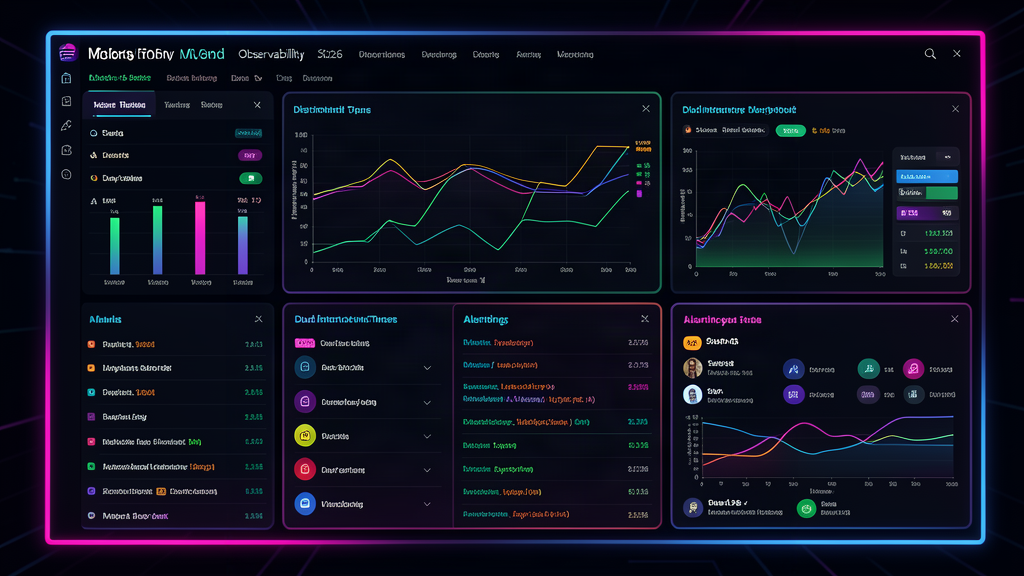
Observability is still one of the clearest hosted-versus-self-hosted decisions in 2026. Cost pressure, tool sprawl, and the desire for simpler operations keep pushing teams to ask the same question: should we buy a managed platform, or should we run the stack ourselves?
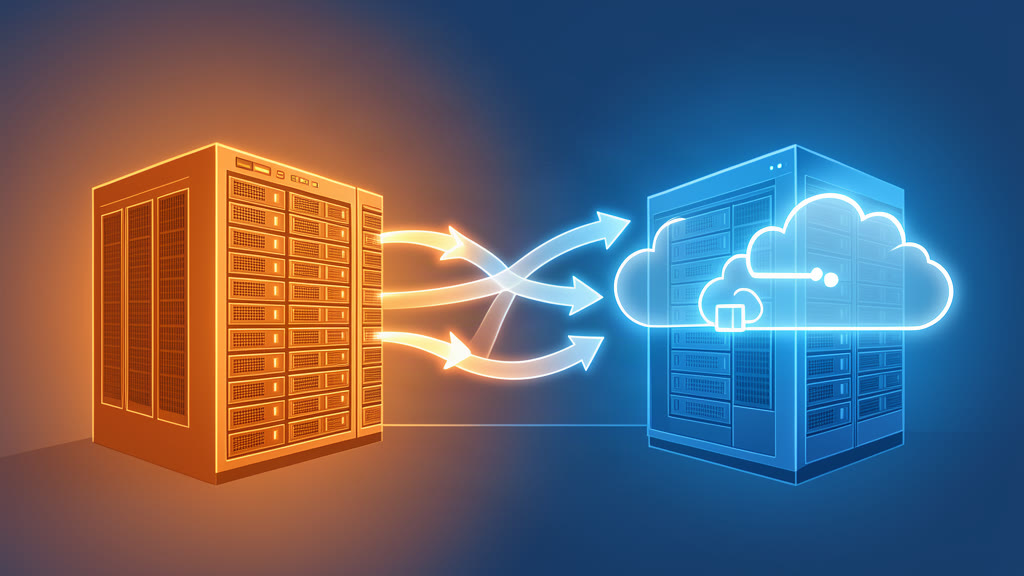
Hosted platforms are attractive because they reduce overhead. You usually get faster setup, less maintenance, and support when something breaks. That is a real advantage for small teams or for organisations that do not want to spend engineering time maintaining the observability layer itself.
The trade-off is control. Hosted platforms can become expensive as usage grows, and the team may have less freedom to tune the stack exactly the way it wants. If logs, metrics, and traces are central to your operations, that lock-in is not a minor detail.
Self-hosted observability is the better fit when control matters more than convenience. It lets you keep your data close, tune the stack for your own needs, and avoid handing core telemetry over to another vendor. For teams that already operate Linux servers or Kubernetes clusters, that can be a strong advantage.
The cost is maintenance. You own the upgrades, scaling, storage decisions, alert tuning, and troubleshooting. That is fine if observability is part of your core competence. It is a burden if it is just another thing to babysit.
The simplest recommendation is this: choose hosted if you want speed and low operational burden; choose self-hosted if you want control, portability, or a stack that matches your existing infrastructure skills. Start with one use case instead of trying to build an enterprise platform on day one.
Useful references: Grafana observability survey, OpenTelemetry, Prometheus, and Grafana Cloud.
Related areas
Related What I Do
These What I Do pages are matched from the subject matter of this article, creating a cleaner path from educational content to implementation work.
Continue reading
Related articles
Based on shared categories first, then the strongest overlap in tags.