K3s is a lightweight, CNCF-certified Kubernetes distribution from Rancher/SUSE. It packages Kubernetes in a single binary of about 78 MB, using half the memory of a standard installation.
That footprint suits small teams running edge or IoT services, CI, development, ARM boards, and internal applications. A single server is a fully functional cluster with its datastore, control plane, kubelet, and runtime in one place. Installation is simple, but the trade-off is operational responsibility.
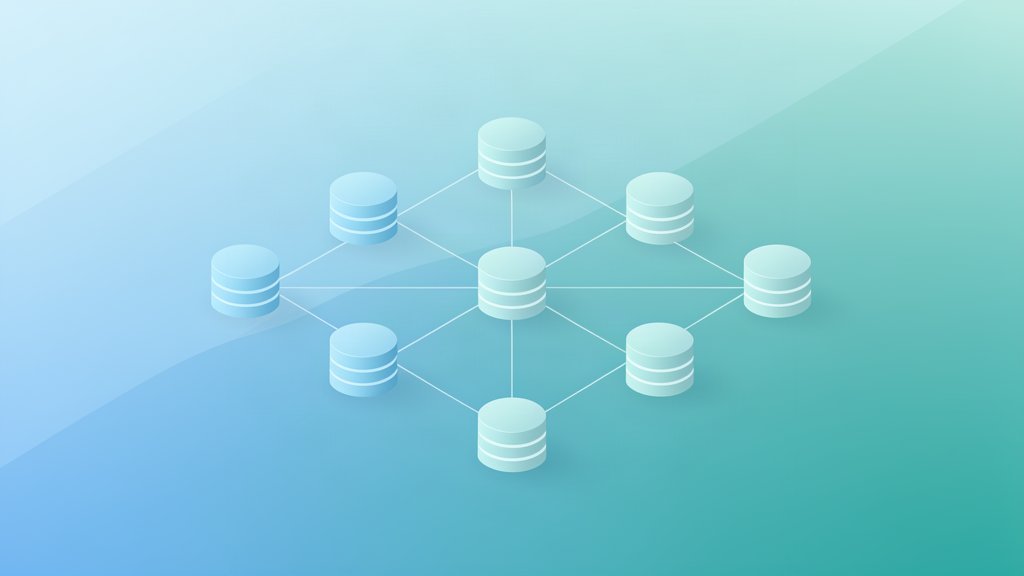
Single-node K3s works for services that can tolerate maintenance or a host failure. One machine is one control-plane failure domain: if it dies, the API and reconciliation stop with it. Higher availability means three or more servers with embedded etcd, or at least two using an external datastore. Add agents for capacity; add servers when uptime matters.
Design storage, backups, and upgrades from the start. Local-path volumes are fast, but workload data remains on the host and needs a separate backup plan. For SQLite, copy /var/lib/rancher/k3s/server/db/ and the server token; for embedded etcd, use k3s etcd-snapshot and test restores. Pin K3S_VERSION or use system-upgrade-controller, snapshot first, and read release notes: K3s 1.36.3 includes a Traefik chart v40 breaking change. K3s offers real Kubernetes capability now, with a path to resilience later.
Related areas
Related What I Do
These What I Do pages are matched from the subject matter of this article, creating a cleaner path from educational content to implementation work.
Continue reading
Related articles
Based on shared categories first, then the strongest overlap in tags.