
Confidential Containers Reaches CNCF Incubation: What It Means for Kubernetes Security
Securing data at rest with encryption and data in transit with TLS are standard operational practices for modern cloud-native systems. However, protecting data while it is actively processed in memory—known as data in use—has historically relied entirely on trusting the underlying cloud provider, hypervisor, and cluster administrators. For organizations running sensitive workloads in multi-tenant environments, that trust boundary is often the hardest hurdle to clear.
The advancement of Confidential Containers (CoCo) to incubation status within the Cloud Native Computing Foundation (CNCF) changes this equation. By bringing hardware-enforced security directly to standard Kubernetes pods, Confidential Containers makes confidential computing practical for platform engineers without requiring custom application rewrites.
The Data-In-Use Challenge in Cloud-Native Infrastructure
Standard containers share the host operating system kernel and underlying hardware resources. Namespaces and cgroups provide isolation against accidental interference, but they do not protect workloads against an infrastructure operator with root access to the physical node.
In public clouds or shared enterprise infrastructure, anyone with hypervisor access or physical control of the hardware can theoretically inspect container memory, dump process states, or read sensitive encryption keys while applications are running.
Traditional hardening techniques mitigate some risks through role-based access control and network segmentation, but they cannot stop a compromised hypervisor or malicious insider at the virtualization layer. This gap is precisely what confidential computing aims to solve.
How Confidential Containers Works in Kubernetes
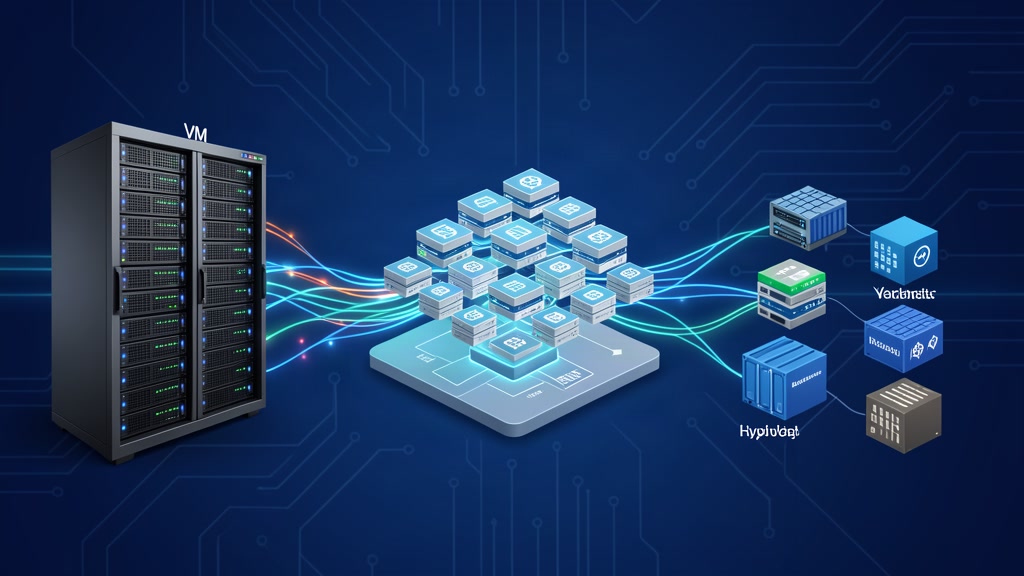
Confidential Containers integrates hardware-based Trusted Execution Environments (TEEs) into the standard Kubernetes pod lifecycle. Instead of forcing developers to build specialized applications that interact directly with low-level security APIs, CoCo wraps standard OCI containers inside a hardware-isolated environment managed by Kubernetes.
The architecture relies on several core components:
- Hardware TEEs: Leverages technologies like AMD SEV, Intel TDX, or ARM Realm Management Extension to encrypt CPU memory hardware-wide.
- Lightweight Virtual Machines: Runs container runtimes inside minimal guest kernels (such as Kata Containers) backed by hardware enclaves.
- Attestation Services: Verifies the cryptographic integrity of the hardware and software stack before releasing decryption keys to the workload.
For platform engineers, the experience remains familiar. You deploy standard Kubernetes deployments and pods, but configure the runtime class to use the confidential runtime handler. The underlying node infrastructure handles the cryptographic isolation automatically.
Why CNCF Incubation Matters for Adoption
Moving to CNCF incubation is more than a badge of honor; it signals production maturity, ecosystem backing, and governance stability. For enterprise platform teams evaluating security tooling, CNCF incubation implies:
- Ecosystem Interoperability: Broad support across different cloud providers, silicon vendors, and storage plugins.
- Community Momentum: A diverse contributor base reducing vendor lock-in concerns.
- Enterprise Readiness: Proven stability in handling complex orchestration scenarios, network policies, and persistent storage integration.
As regulatory requirements around data privacy tighten across financial, healthcare, and government sectors—exemplified by initiatives like the EU Action Plan on Cybersecurity and AI—tooling that provides cryptographic guarantees without disrupting developer workflows becomes indispensable.
Practical Considerations for Platform Teams
Platform engineering teams must evaluate a few operational realities before rollout, even though Confidential Containers removes major friction from confidential computing:
- Performance Overhead: Hardware enclaves and nested virtualization introduce a minor performance penalty during boot time and memory encryption operations. Benchmarking your specific workload is essential.
- Attestation Infrastructure: Managing key release policies and attestation services requires careful planning around high availability and trust roots.
- Debugging Complexity: When a container runs inside an encrypted hardware enclave, traditional troubleshooting methods like
kubectl execinto a running container may be restricted or require specialized attestation debugging policies.
If you are building the infrastructure foundation to host workloads like these, the principles in How to Structure a Small Infrastructure Stack With Nginx, Docker, and Terraform apply: every layer needs a clearly defined job that the team can explain.
Summary
Confidential Containers reaching CNCF incubation marks a turning point for Kubernetes security. By bridging the gap between hardware-enforced isolation and container orchestration, it allows teams to run sensitive workloads in public clouds without blindly trusting the underlying infrastructure stack. For platform engineers, it is time to look at confidential computing not as an experimental niche, but as a standard architectural building block for zero-trust cloud infrastructure.
Related areas
Related What I Do
These What I Do pages are matched from the subject matter of this article, creating a cleaner path from educational content to implementation work.
Continue reading
Related articles
Based on shared categories first, then the strongest overlap in tags.